Surface-mounted LED downlights solve the lack of a false ceiling. Compare ceiling lights, slim panels, finishes and...
.svg)

Surface-mounted LED downlights: ceiling lights and slim panels for ceilings without building work
Many ceilings cannot accommodate a recessed downlight without cutting a hole and losing height. Surface-mounted LED downlights solve that problem with a surface luminaire requiring no ceiling cut-out, which screws directly into place, with no building work or debris. This guide compares the surface LED ceiling lights and slim panels available, their light source and which technical features are worth checking before buying.
When to choose a surface downlight instead of a recessed one
The comparison between surface and recessed downlights depends on one simple factor: whether the ceiling already has a recessed installation cut-out. In refurbishments where the structure cannot be touched, the surface option is often the only viable one.
Installations with no false ceiling or building work
Quick installation with no false ceiling is the main advantage of the surface LED downlight requiring no building work. It is fixed in minutes and avoids any masonry work.
Quick refurbishments in residential communities and offices
In residential communities and offices, it is key to change the installation without closing off communal areas for days. A wide range of finishes allows it to match the rest of the building.
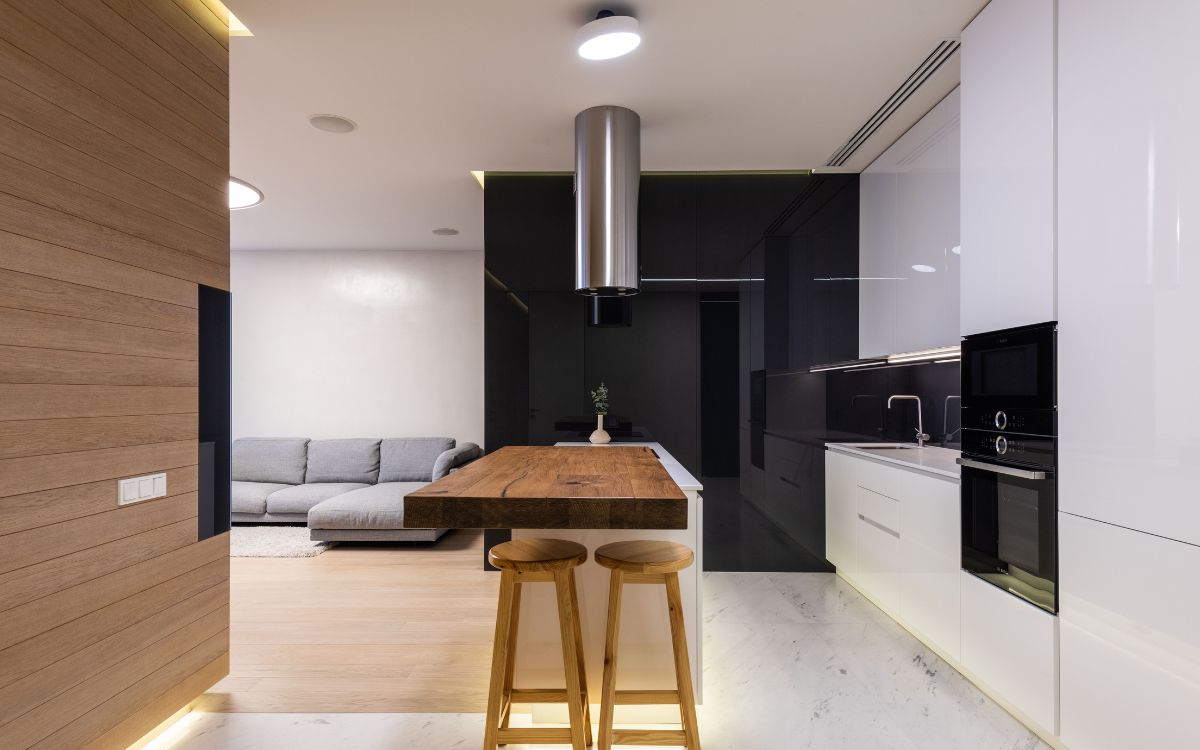
Types of surface LED downlight
There are three main formats, each with different slim ceiling light thickness dimensions depending on the intended use.
Square ceiling light for modern spaces
The square/round 20w LED ceiling light fits corridors and living rooms with a contemporary look. For larger spaces, the square 30w ugr19 LED ceiling light steps up in wattage. Its low-profile body, with a 120 degree beam angle, spreads the light widely without creating harsh shadows below the ceiling.
Circular slim panel with stainless steel finish
The stainless steel finish surface LED slim panel is common in kitchens. The 24w surface slim panel covers medium-sized rooms without overheating, thanks to the Osram chip surface LED panel with a 50000h Osram chip lifespan.
Models with built-in motion detector
The surface LED ceiling light with motion detector features a built-in motion radar sensor. Motion sensors have become common in corridors where nobody wants to hunt for the switch.
Technical features to consider
Before buying, it is worth checking the beam angle and the luminous flux. The ability of a light source to maintain its colour over time also matters, a factor that sets longer-lasting models apart. The manufacturer should specify these in the technical data sheet.
Selectable CCT three colour temperatures in one
The selectable CCT ceiling light lets you choose between warm light, neutral light or 4000k neutral from the same body. The selectable CCT colour temperature is adjusted with a small switch. The dimmable surface ceiling light also adds light intensity control.
CRI 92 for quality light
A CRI 92 colour rendering offers high CRI that reproduces colours almost like natural light, providing visual comfort in any room.
UGR19 for offices and workspaces
The UGR19 index limits glare on screens and work desks, something any office with long hours in front of a computer will appreciate.
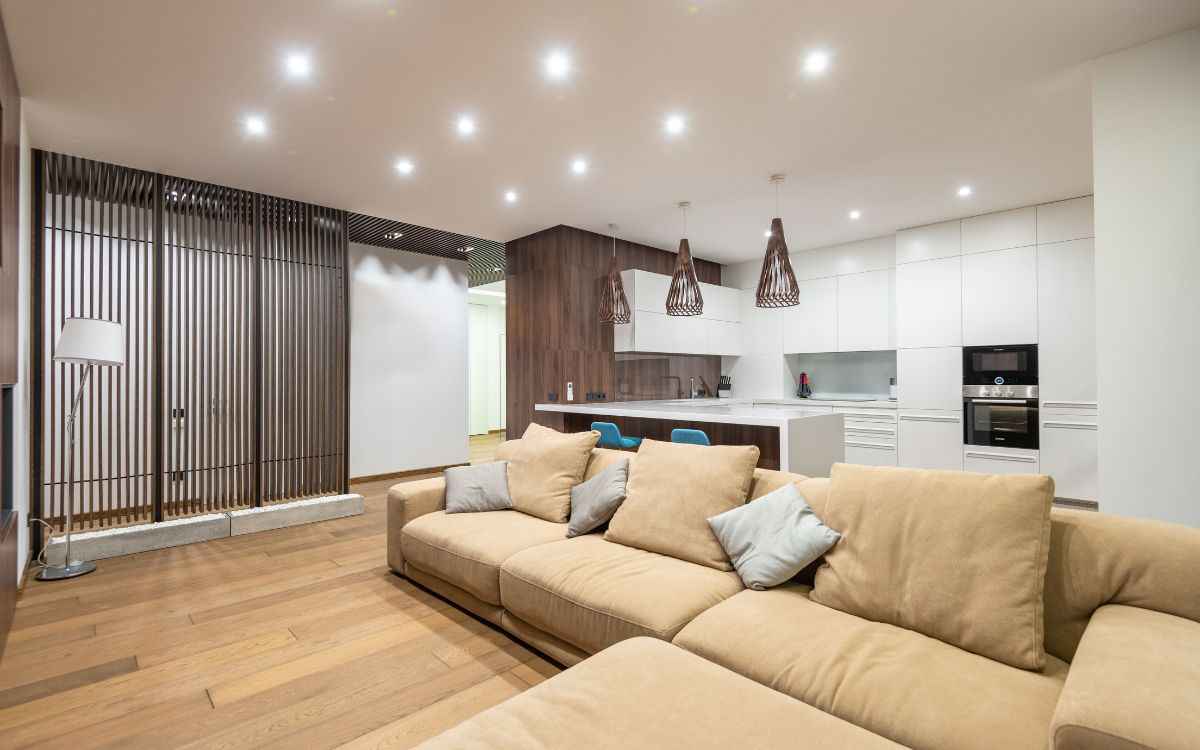
Finish and aesthetic options
The white chrome nickel-plated finish covers most decoration styles without clashing.
White for neutral ceilings
The white finish is the best seller because it blends into almost any ceiling and does not create visual contrast.
Stainless steel for kitchens and bathrooms
Stainless steel adds an industrial touch. It also withstands moisture better than a painted finish, which is why it is common in professional kitchens and steamy bathrooms.
Applications by space
Each surface lighting system suits a different use depending on the area of the building.
Corridors and communal areas in residential communities
The surface LED ceiling light for residential communities is one of the models most requested by property managers, thanks to its low maintenance.
Kitchens and bathrooms with no false ceiling
The IP44 surface LED ceiling light for bathrooms features IP44 protection for damp areas, essential near the shower or sink.
Offices with low ceilings
The surface downlight for low-ceiling kitchens and offices gains usable height by not needing a cut-out, something decisive on floors with exposed installations.
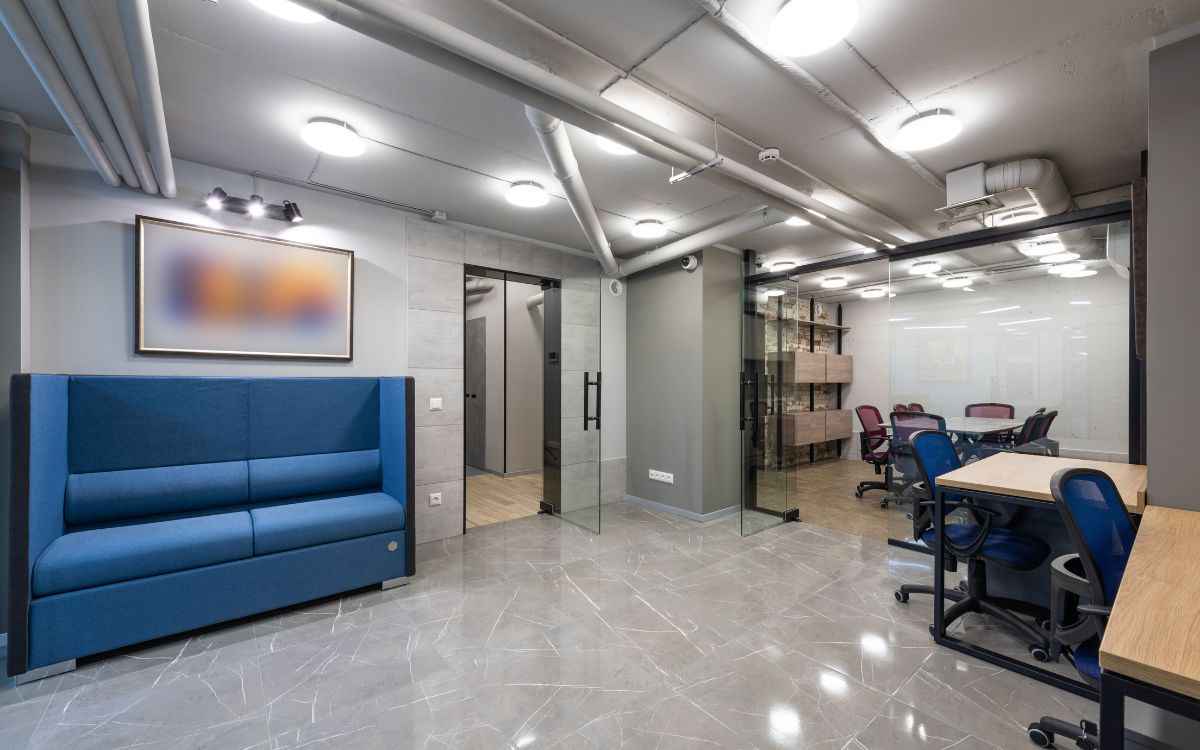
Comparison of catalogue models and prices
The surface LED ceiling light price varies according to wattage and finish. The square/circular slim LED panel price tends to be somewhat higher than that of the equivalent square ceiling light. Both offer high build quality and the same long-lasting LED lights inside. Comparing by wattage and not just by final price helps you choose better among the various models in the catalogue.
Frequently asked questions about Surface LED downlights
What is the difference between an LED ceiling light and a surface slim panel?
The ceiling light is usually square or round and somewhat thicker. The slim panel is flatter and integrates better into low ceilings.
Can I install a surface downlight in a bathroom?
Yes, provided the model has IP44 protection or higher to withstand moisture, both in the bathroom and in any area with water splashing.
Do surface LED ceiling lights have selectable CCT?
Many models do, with a switch that changes between three colour temperatures from the same body.
How is a surface LED ceiling light installed on the ceiling?
It is fixed with plugs and screws directly onto the ceiling and connected to the existing electrical line. The whole process is completed in minutes, with no need for building work or to touch the false ceiling.
Which LED ceiling light is best for a residential community?
A model with a motion detector and selectable CCT, to save energy in corridors and landings.
Are models with a motion detector more expensive?
They tend to cost somewhat more than basic models, although this is offset by the energy savings in communal areas.
Which finish is best for a white kitchen?
The white finish combines better with light-coloured furniture, while stainless steel gives a more industrial contrast.
Posted in:
Sample Category
Related posts
60x60 LED panels: everything you need to know before buying
Discover how to choose the ideal 60x60 LED panel for your project. We compare drivers, wattages, installation types...
Read more
A practical guide to choosing the perfect LED lighting for your office
Find out how to choose the perfect LED lighting for your office: it complies with the EN 12464 standard, boosts your...
Read more
Slim recessed LED downlights: guide to models, wattages and prices
Discover the differences between circular and square models, available wattages from 6W to 26W, key features such as...
Read more
LED colour temperature: how to choose between 2700K, 4000K and 6500K for your space
Warm, neutral or cool light: each LED colour temperature has its ideal space. We explain the differences between...
Read more
LED track spotlights for shops: single-phase vs three-phase, models and installation keys
Single phase or three-phase? Choosing the right LED track system makes the difference between a well-lit shop and one...
Read more
Search in blog
Blog categories
Latest posts
Surface-mounted LED downlights: ceiling lights and slim panels for ceilings without building work
Read more
Linear LED lighting for hospitality: ideas and solutions for bars, restaurants and hotels
Read more
Linear LED lighting sets the mood in bars, restaurants and hotels. Discover the types of luminaires, key areas and...
Aluminium profiles for LED strips: types, diffusers and how to choose the right mounting
Read more
Discover the aluminium profiles available for LED strips, which diffuser to choose and what accessories you need for...
LED vs halogen: complete comparison of performance, savings and light quality
Read more
Is it worth switching your bulbs? This LED vs halogen comparison covers energy consumption, lifespan, heat and light...

E27 LED Bulbs: direct replacement guide by shape, wattage and colour temperature
Read more
Practical guide to replacing your old bulbs with E27 LED bulbs without complications. Learn how to choose shape,...
Popular posts
60x60 LED panels: everything you need to know before buying
Discover how to choose the ideal 60x60 LED panel for your project. We compare drivers, wattages, installation types...
Read more
A practical guide to choosing the perfect LED lighting for your office
Find out how to choose the perfect LED lighting for your office: it complies with the EN 12464 standard, boosts your...
Read more
LED colour temperature: how to choose between 2700K, 4000K and 6500K for your space
Warm, neutral or cool light: each LED colour temperature has its ideal space. We explain the differences between...
Read more

LED public lighting: current regulations, technical requirements and key points for compliance
Guide to Spain's LED public lighting regulations: technical requirements, road classes, parameters and mandatory...
Read more
Slim recessed LED downlights: guide to models, wattages and prices
Discover the differences between circular and square models, available wattages from 6W to 26W, key features such as...
Read more
Leave a comment