Practical guide to replacing your old bulbs with E27 LED bulbs without complications. Learn how to choose shape,...
.svg)

E27 LED Bulbs: direct replacement guide by shape, wattage and colour temperature
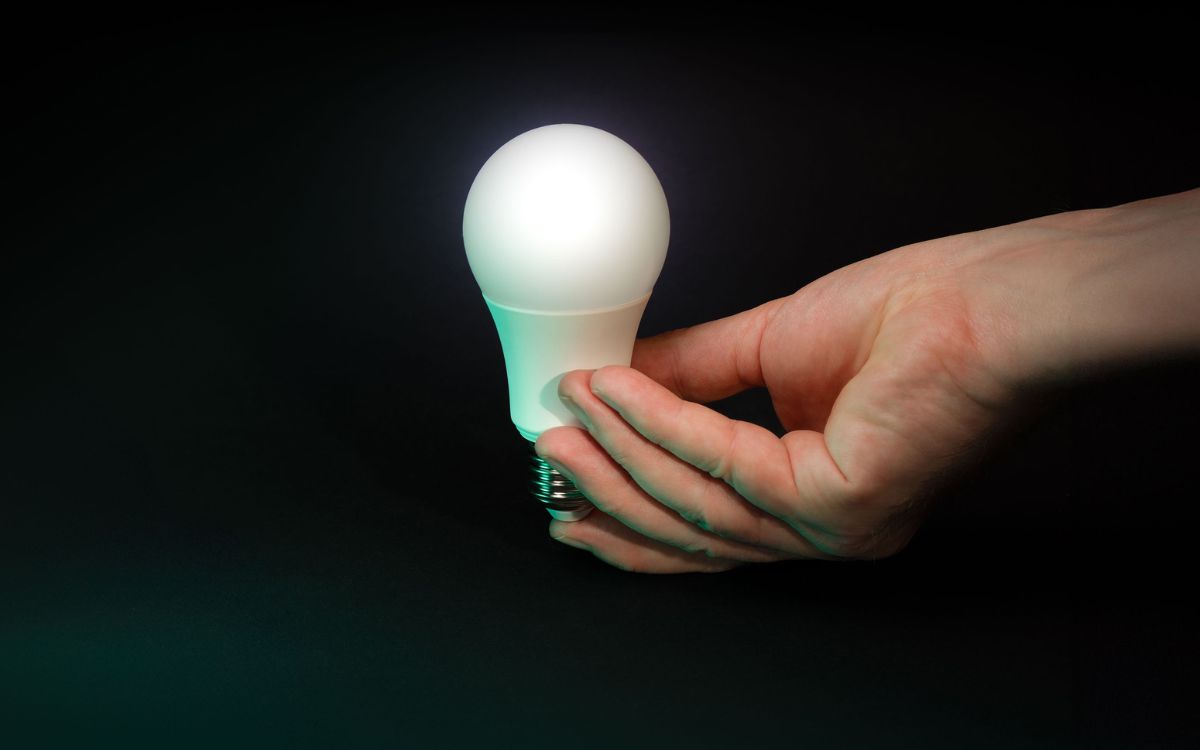
E27 LED bulbs are the most sought-after replacement for old incandescent and halogen bulbs at home. They share the same standard Edison E27 fitting and fit into the LED lamp or lamp holder you already have, without any building work or adapters.
Installing them cuts energy consumption by up to 90%. With this guide you can choose the shape, wattage and light tone for each room. We take the Osram chip as our quality benchmark.
Why switching to an E27 LED bulb no longer has any excuse
Prices have dropped a lot and the technology is mature. Today there's no reasonable argument left for sticking with the old ones.
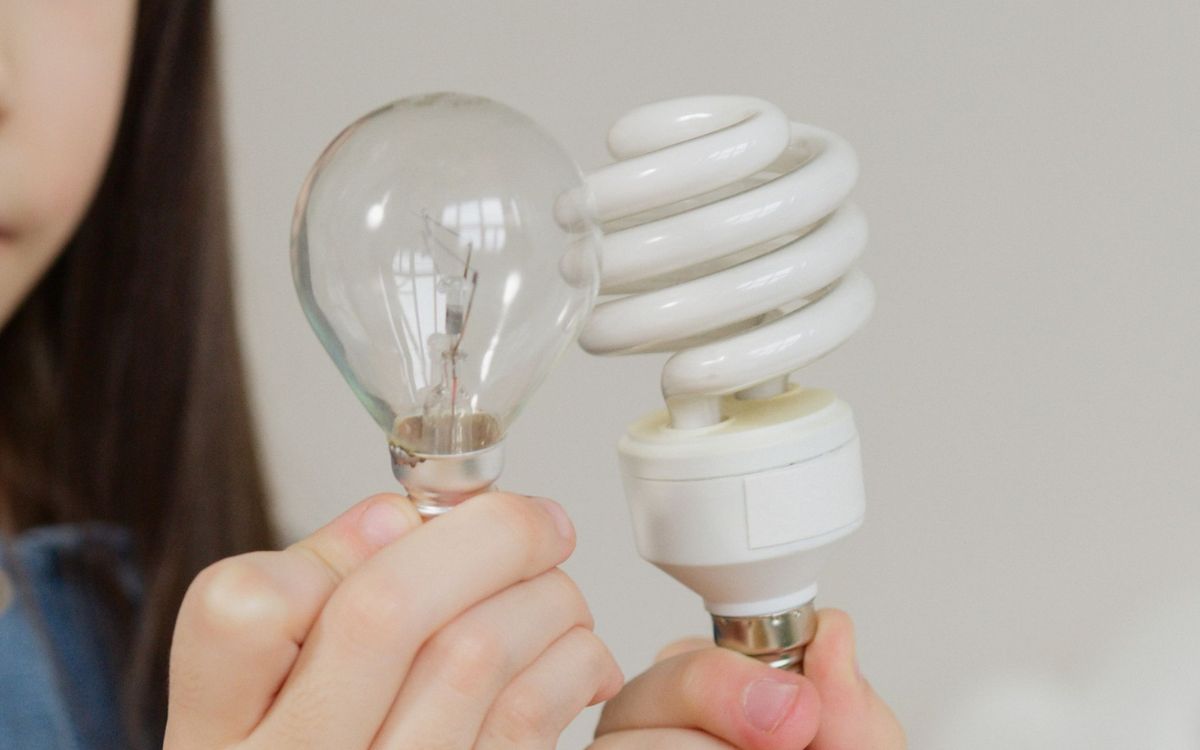
A conventional filament bulb loses 90% of its energy as heat. Light-emitting diodes do the opposite and convert almost all the electricity into light. The result shows on your bill from the first month, with energy savings that quickly make up for the switch.
Savings compared with incandescent and halogen
A 60W incandescent bulb uses 60 watts every hour. Its LED equivalent consumes between 8 and 9 watts to give the same light.
LED bulbs deliver that light for a fraction of the cost. Halogen bulbs improve performance somewhat, but they still fall well short of LED. The saving from an E27 LED bulb versus halogen is around 80% in electricity consumption.
An illustrative example: replacing 40 60W incandescent bulbs with 9W LEDs in a heavily used rural house saves around 400 euros a year. The figure varies depending on the price of electricity and the hours the lights are on.
Lifespan multiplied by 25
An incandescent bulb lasts around 1,000 hours. The 25,000-hour lifespan of an LED bulb multiplies that figure by 25.
Such a long lifespan means fewer replacements and less waste. What's more, unlike fluorescent tubes, LED bulbs don't contain mercury, so disposing of them at the end of their life is cleaner.
Types of E27 LED bulb available
The E27 fitting is always the same, but the body of the bulb changes depending on the use. Each type of bulb has a shape designed for a specific space, within the A60 G45 G80 C37 range and their globe variants.
Standard A60 the universal replacement
The A60 shape is the classic pear shape. It reproduces the size of the traditional incandescent bulb, so it fits almost any lamp.
The E27 A60 180-degree LED bulb spreads light widely thanks to its 180-degree omnidirectional beam angle. It's the safe choice when you don't know which one to pick.
Small G45 for decorative lamps
The G45 shape is a small sphere. It fits well in wall lights, desk lamps and ceiling lights with narrow shades. The 6W G45 E27 LED bulb gives enough light for accent settings without taking up much space.
G80 and G95 globe for stylish spaces
Globe shapes stand out on their own. The G80 globe E27 LED bulb and its bigger sibling the G95 look great in view on designer pendant lamps. They add a decorative touch with soft light spread in every direction.
Vintage filament for retro settings
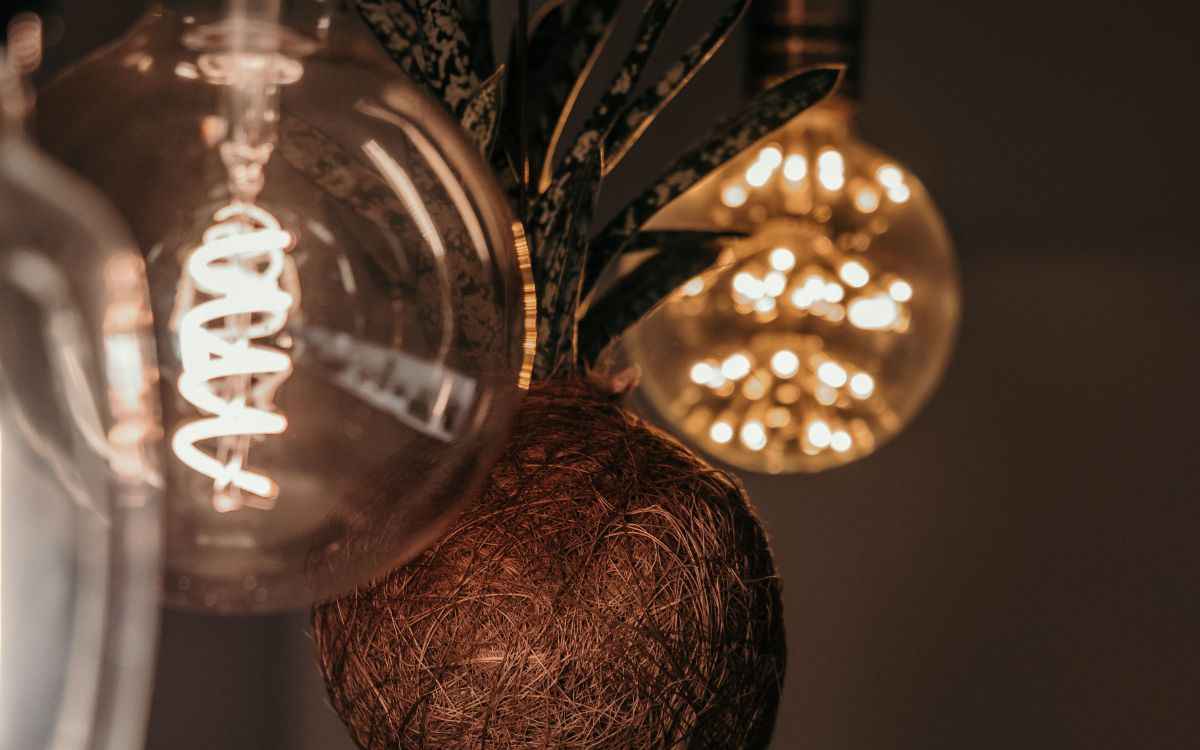
The vintage filament E27 LED bulb mimics the look of old thread-filament incandescent bulbs, but with LED technology inside. It gives a warm, nostalgic feel, common in bars, cafés and living rooms with an industrial style.
How to choose the right bulb
Three details are enough to get it right: equivalent wattage, colour temperature and whether you need dimming.
Incandescent-to-LED wattage equivalents
Incandescent-to-LED wattage equivalence is no longer measured in watts, but in lumens. The LED bulb power factor tells you how much light each watt consumed gives out. This table summarises the most common correspondences.
| Incandescent | LED equivalent | Approx. lumens | Typical use |
|---|---|---|---|
| 40W | 5-6W | 470 lm | Ambient, decorative |
| 60W | 8-9W | 806 lm | Living room, bedroom |
| 75W | 11W | 1,055 lm | Kitchen, study |
| 100W | 13-15W | 1,521 lm | Large spaces |
The 60W-equivalent E27 LED bulb is the best seller. It covers general use in a home.
For areas that need more light, the 15W high-brightness E27 LED bulb performs like an old 100W bulb. If you're after a quality benchmark, the 9W Osram E27 LED bulb offers stable light and good spread for the average living room.
Colour temperature by room
Colour temperature sets the character of the room and is measured in kelvin. A warm 2700K colour temperature light creates a cosy atmosphere in living rooms and bedrooms. Higher values give a natural, daylight-type light, better for kitchens and work areas. The warm 2700K E27 LED bulb is the most requested for the home.
| Temperature | Tone | Recommended room |
|---|---|---|
| 2700K | Warm | Living room, bedroom |
| 4000K | Neutral | Kitchen, bathroom |
| 6000K | Cool | Garage, workshop |
Dimmable or non-dimmable
Not all bulbs support dimming. If you have a dimmer, you need a dimmable E27 LED bulb compatible with a dimmable triac circuit, because a standard bulb on that circuit will flicker or buzz.
Good bulbs offer flicker-free operation even at low intensity. The flicker-free E27 LED bulb protects your eyes during long reading or work sessions.
Osram Duris chip why it makes the difference
This is the detail that separates a reliable bulb from an unbranded one with no warranty. The premium-quality Osram Duris chip keeps the colour stable throughout its lifespan and doesn't lose brightness after just a few months.
Its high quality shows in the CRI colour rendering. A good CRI home colour rendering above 80 shows colours as they really are. With that light, clothes, food and skin look natural. Budget brands often fall below that threshold and leave a dull tone.
Applications at home and in business
The same low-consumption bulb works in very different contexts. The E27 fitting is universal, so replacing an incandescent bulb with an E27 LED works the same way in a home as in a commercial premises.
Living rooms, bedrooms and communal areas
At home, warm light rules. Living rooms, bedrooms and hallways call for 2700K to rest the eyes. In building entrances and communal areas of residential communities, it's worth combining good spread with low consumption, because the lights stay on for many hours.
Hospitality and business decor
Bars, restaurants and shops use light as part of the decor. Vintage filament and globe shapes create atmosphere.
For covered patios and terraces, an outdoor E27 LED bulb with suitable protection against moisture is a good choice. In these businesses, a pack of E27 LED bulbs pays off by volume.
Comparison of models and catalogue prices
The price of an E27 LED bulb depends on the shape, wattage and chip. Models with Osram cost somewhat more than unbranded ones, but they last longer and keep their colour better.
Buying in packs cuts the cost per unit, which is worthwhile for hospitality businesses and residential communities renewing many lights at once. If your lamp holder is smaller, also check out E14 bulbs, and for recessed spotlights and rail systems the GU10 fitting is the usual one.
Frequently asked questions
Which E27 LED bulb is equivalent to a 60W one?
An 8 to 9W LED gives the same light as a 60W incandescent bulb, around 806 lumens. It's the most common equivalence for the home.
Can I put an E27 LED bulb in any lamp?
Yes, as long as the lamp holder is E27. The A60 shape replicates the classic size and fits almost all of them, unless the shade is very small.
Which colour temperature is best for the living room?
For the living room, 2700K is best, a warm light that creates atmosphere and relaxes. Save cooler temperatures for kitchens and work areas.
Can E27 LED bulbs be dimmed?
Only ones marked as dimmable. A standard bulb on a dimmer will flicker or buzz, so look for a triac-compatible model.
How much do I save a month if I switch 10 bulbs to E27 LED?
It depends on the hours of use and the price of electricity. As an illustrative example, 10 60W bulbs switched to 9W and used four hours a day save around 8-10 euros a month.
What's the difference between a 6W and a 15W E27 LED bulb?
The 6W gives accent light, like an old 40W bulb. The 15W lights up large spaces, like a 100W one. Choose based on the lumens you need.
Are filament E27 LED bulbs less efficient?
They perform slightly less well than an opaque A60, but they're still well above traditional incandescent bulbs. The difference is small and is offset by the decorative effect.
Posted in:
Sample Category
Related posts
60x60 LED panels: everything you need to know before buying
Discover how to choose the ideal 60x60 LED panel for your project. We compare drivers, wattages, installation types...
Read more
A practical guide to choosing the perfect LED lighting for your office
Find out how to choose the perfect LED lighting for your office: it complies with the EN 12464 standard, boosts your...
Read more
Slim recessed LED downlights: guide to models, wattages and prices
Discover the differences between circular and square models, available wattages from 6W to 26W, key features such as...
Read more
LED colour temperature: how to choose between 2700K, 4000K and 6500K for your space
Warm, neutral or cool light: each LED colour temperature has its ideal space. We explain the differences between...
Read more
LED track spotlights for shops: single-phase vs three-phase, models and installation keys
Single phase or three-phase? Choosing the right LED track system makes the difference between a well-lit shop and one...
Read more
Search in blog
Blog categories
Latest posts
E27 LED Bulbs: direct replacement guide by shape, wattage and colour temperature
Read more
COB vs SMD LED Strips: Technical Differences and When to Use Each Technology
Read more
We compare COB vs SMD LED strips to help you choose the right technology for each project. We analyse light...
24V DC LED Strips: The Professional Choice for High-Brightness, Long-Run Installations
Read more
24V DC LED strips allow long runs to be installed without voltage drop or colour variation. Discover the available...

LED Lighting for Car Parks and Garages: Regulations, Luminaires and Maximum Energy Savings
Read more
LED lighting for car parks and garages allows lighting consumption to be reduced by up to 80 % using presence...

LED IP65 and IP66 Battens and Weatherproof Diffusers: A Model Guide for Damp and Industrial Areas
Read more
This guide compares IP65 and IP66 weatherproof LED diffusers by power, chip and length, and shows which model is best...
Popular posts
60x60 LED panels: everything you need to know before buying
Discover how to choose the ideal 60x60 LED panel for your project. We compare drivers, wattages, installation types...
Read more
A practical guide to choosing the perfect LED lighting for your office
Find out how to choose the perfect LED lighting for your office: it complies with the EN 12464 standard, boosts your...
Read more
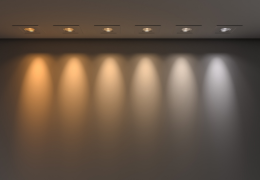
LED colour temperature: how to choose between 2700K, 4000K and 6500K for your space
Warm, neutral or cool light: each LED colour temperature has its ideal space. We explain the differences between...
Read more

LED public lighting: current regulations, technical requirements and key points for compliance
Guide to Spain's LED public lighting regulations: technical requirements, road classes, parameters and mandatory...
Read more
Slim recessed LED downlights: guide to models, wattages and prices
Discover the differences between circular and square models, available wattages from 6W to 26W, key features such as...
Read more
Leave a comment