Surface-mounted LED downlights solve the lack of a false ceiling. Compare ceiling lights, slim panels, finishes and...
.svg)

LED colour temperature: how to choose between 2700K, 4000K and 6500K for your space
An architect had a project for a boutique restaurant in Barcelona. The owner wanted cool light because he said everything looks better that way. She knew that would turn the restaurant into something resembling a hospital cafeteria.
But she couldn't swing to the warm extreme either, because the chef's dishes would lose all their chromatic impact. The discussion was settled by using a 3000K tone with a CRI of 92. As a result, the restaurant became a welcoming place where the colours of the plating remained true to life. That decision began by understanding what LED colour temperature is and how it affects the visual perception of colour in each environment.
If you are choosing luminaires for a project and are unsure between warm, neutral or cool tones, this article gives you the technical and practical arguments to get it right.
What is colour temperature and how is it measured
LED colour temperature describes the tone of light a source emits, and it is measured in degrees Kelvin. It has nothing to do with the physical temperature of the luminaire, but rather with the visual appearance it produces. A low value generates orangey, enveloping tones. A high value approaches the bluish white of 6500K daylight.
The Kelvin scale explained simply
The Kelvin LED meaning is more intuitive than it seems. Think of a metal bar being heated: first it emits a reddish glow, then white and finally bluish. That progression is the basis of the scale:
- 1800K-2700K: Amber and warm tones, similar to candlelight or an incandescent bulb.
- 3000K-4000K: Intermediate whites, from soft warm to pure neutral.
- 5000K-6500K: Cool whites with a blue component, close to midday sunlight.
Understanding how to choose Kelvin LED starts by placing your need within those ranges.
Difference between warm, neutral and cool light
The difference between warm cool neutral LED light goes beyond aesthetics. It affects space lighting comfort, mood and even productivity. Warm light relaxes, neutral light maintains attention without fatigue and cool light activates. The visual warm cool sensation each tone generates determines how a space is perceived and how long people want to stay in it.
Warm light 2700K-3000K: when and where to use it
The 2700K to 3000K range envelops environments with a golden tone that invites relaxation. It is the range that best respects the LED light circadian effect, because it resembles sunset light and prepares the body for rest. Lighting photobiology confirms that exposure to warm tones at night reduces melatonin suppression.
Bedrooms, living rooms and rest areas
For warm LED light bedroom and living rooms, the ideal range is between 2700K and 3000K. The home LED colour temperature in these spaces should prioritise comfort over sharpness. A good rule: if the main objective is to rest or socialise, stick to warm tones.
Hospitality and restaurants
Restaurants, hotels and bars work better with 3000K and a high CRI colour rendering index. That combination creates welcoming atmospheres without sacrificing colour fidelity in food and décor.
Neutral light 4000K: the perfect balance
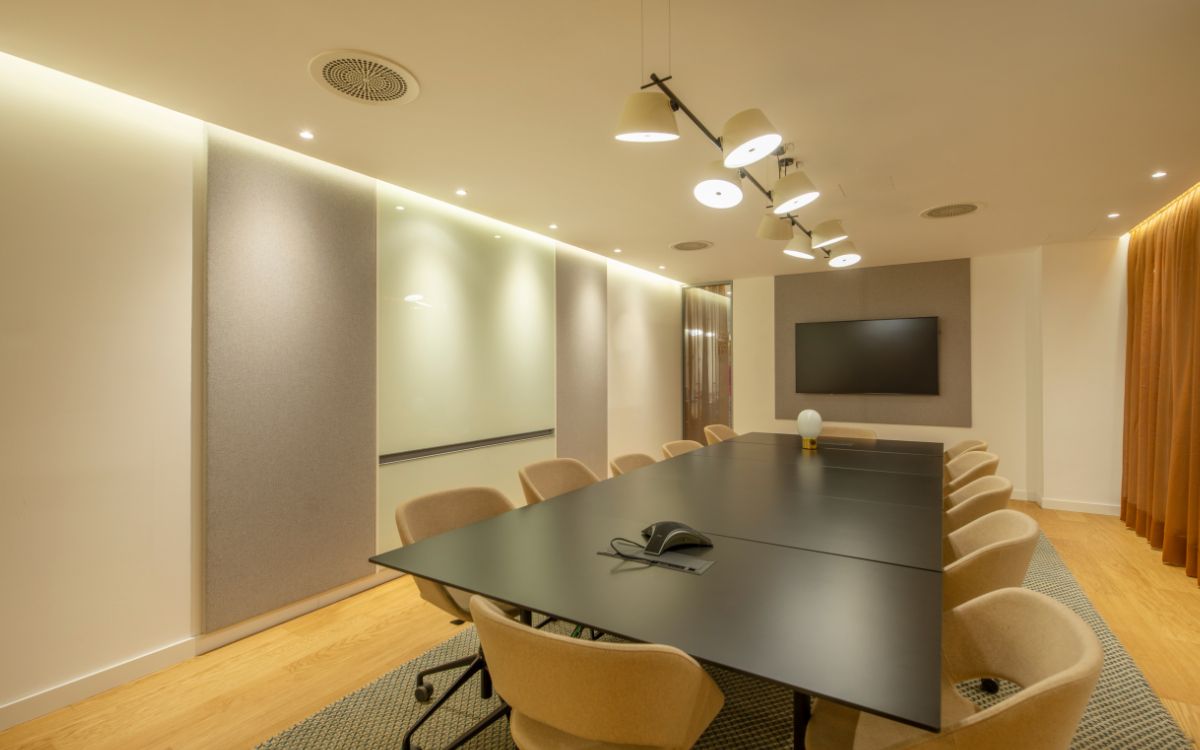
The 4000K tone sits at the midpoint of the usable visible light spectrum. It does not tire the eyes, does not distort colours and maintains a comfortable level of alertness for hours. That is why it is the benchmark in professional environments where full working days are spent under artificial light.
Offices and workspaces
The office LED colour temperature recommended by the standard UNE-EN 12464-1 ranges between 4000K and 5000K. Several studies link neutral light with a positive colour temperature productivity effect. The advantages are: better concentration, less visual fatigue and higher performance in tasks requiring sustained attention. Human eye adaptation to neutral temperature is the most comfortable during long working days.
Kitchens and bathrooms
Kitchen LED colour temperature works well at 4000K because it allows clear distinction of ingredients, textures and finishes. The same applies to bathrooms, where neutral light favours make-up application and shaving without altering skin tones. The question LED 3000K vs 4000K differences is resolved here by pure functionality.
Cool light 6500K: maximum visibility and concentration
When the goal is to see with the utmost detail, the high end of the scale comes into play. But what is 6500K used for exactly? For environments where visual precision takes priority over ambient comfort.
Warehouses, workshops and industrial areas
Outdoor and industrial LED colour temperature usually ranges between 5000K and 6500K. Warehouses, logistics centres and workshops need cool white LED light that allows detection of defects, reading of labels and safe working conditions. In these contexts, the priority is visibility, not warmth.
Retail and window displays
LED colour temperature for shops depends on the product. Electronics or sports window displays work well with 5000K-6500K, because they enhance whites and vivid colours. Cool white LED light in retail conveys modernity and cleanliness. For fashion or food, however, it is better to drop to 3000K-4000K and compensate with a high CRI.
Selectable CCT: the solution for versatile spaces
Intelligent CCT regulation allows you to change the colour temperature on the luminaire itself, without replacing it. Models with selectable CCT usually offer three positions 2700K, 4000K and 6500K via a small switch or a remote control. This way, the same meeting room can operate with neutral light in the morning and warm light at a corporate dinner. It is the direct answer to the dilemma 2700K vs 4000K LED which to choose when the space has multiple uses.
Colour temperature and CRI: how are they related
Two luminaires can share the same colour temperature and reproduce colours in completely different ways. That depends on the CRI colour rendering index. A CRI of 80 is acceptable for corridors or garages.
For retail, hospitality and spaces where colour matters, look for a CRI above 90. Colour temperature sets the overall tone. CRI determines the fidelity of each nuance within that tone.
Summary table: which temperature to choose according to the space
| Space | Recommended Kelvin | Sensation | Minimum CRI |
|---|---|---|---|
| Bedroom / Living room | 2700K-3000K | Warm, relaxing | 80 |
| Restaurant / Hotel | 3000K | Welcoming, elegant | 90 |
| Office / Coworking | 4000K-5000K | Neutral, productive | 80 |
| Kitchen / Bathroom | 4000K | Clear, functional | 85 |
| Fashion retail | 3000K-4000K | Warm-neutral | 90 |
| Electronics window display | 5000K-6500K | Cool, modern | 80 |
| Warehouse / Workshop | 5000K-6500K | Cool, crisp | 70 |
Frequently asked questions about LED colour temperature
What colour temperature is best for a bedroom?
Between 2700K and 3000K. Those warm tones promote relaxation and respect the natural circadian cycle, something especially relevant in bedrooms and living areas.
What is the difference between 3000K and 4000K?
3000K has a perceptible golden hue, whilst 4000K is a clean white with neither a warm nor a cool dominant tone. The difference is subtle but it affects the ambience of the space.
What Kelvin is used in offices according to regulations?
The standard UNE-EN 12464-1 recommends between 4000K and 5000K for workstations involving prolonged visual tasks.
Does 6500K cool light harm your eyesight?
It does not damage eyesight directly, but prolonged exposure can cause visual fatigue and disrupt the circadian rhythm. It is advisable to reserve it for specific work areas or industrial settings.
What does selectable CCT mean in a luminaire?
It means you can modify the LED colour temperature of the luminaire itself without replacing it. Usually via an internal selector with two or three predefined positions.
Can I change the colour temperature after installing the LED?
Only if the luminaire incorporates selectable CCT technology or intelligent CCT regulation. With a fixed-temperature LED, you would need to replace the lamp or the complete module.
Does colour temperature affect energy consumption?
No. At equal wattage, a 2700K luminaire consumes exactly the same as a 6500K one. What changes is the composition of the spectrum, not the energy required to generate it.
Posted in:
Sample Category
Related posts
60x60 LED panels: everything you need to know before buying
Discover how to choose the ideal 60x60 LED panel for your project. We compare drivers, wattages, installation types...
Read more
A practical guide to choosing the perfect LED lighting for your office
Find out how to choose the perfect LED lighting for your office: it complies with the EN 12464 standard, boosts your...
Read more
Slim recessed LED downlights: guide to models, wattages and prices
Discover the differences between circular and square models, available wattages from 6W to 26W, key features such as...
Read more
LED track spotlights for shops: single-phase vs three-phase, models and installation keys
Single phase or three-phase? Choosing the right LED track system makes the difference between a well-lit shop and one...
Read more
LED Lighting for Shops: Light Strategies That Drive Sales
Discover how LED lighting boosts shop sales: lux levels by zone, CRI, colour temperature and common mistakes to avoid...
Read more
Search in blog
Blog categories
Latest posts
Surface-mounted LED downlights: ceiling lights and slim panels for ceilings without building work
Read more

Linear LED lighting for hospitality: ideas and solutions for bars, restaurants and hotels
Read more
Linear LED lighting sets the mood in bars, restaurants and hotels. Discover the types of luminaires, key areas and...
Aluminium profiles for LED strips: types, diffusers and how to choose the right mounting
Read more
Discover the aluminium profiles available for LED strips, which diffuser to choose and what accessories you need for...
LED vs halogen: complete comparison of performance, savings and light quality
Read more
Is it worth switching your bulbs? This LED vs halogen comparison covers energy consumption, lifespan, heat and light...

E27 LED Bulbs: direct replacement guide by shape, wattage and colour temperature
Read more
Practical guide to replacing your old bulbs with E27 LED bulbs without complications. Learn how to choose shape,...
Popular posts
60x60 LED panels: everything you need to know before buying
Discover how to choose the ideal 60x60 LED panel for your project. We compare drivers, wattages, installation types...
Read more
A practical guide to choosing the perfect LED lighting for your office
Find out how to choose the perfect LED lighting for your office: it complies with the EN 12464 standard, boosts your...
Read more
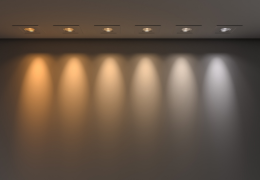
LED colour temperature: how to choose between 2700K, 4000K and 6500K for your space
Warm, neutral or cool light: each LED colour temperature has its ideal space. We explain the differences between...
Read more

LED public lighting: current regulations, technical requirements and key points for compliance
Guide to Spain's LED public lighting regulations: technical requirements, road classes, parameters and mandatory...
Read more
Slim recessed LED downlights: guide to models, wattages and prices
Discover the differences between circular and square models, available wattages from 6W to 26W, key features such as...
Read more
Leave a comment