Learn how to choose a three-phase track spotlight for a shop or art gallery with the Uppsala CRI 98 and the Graz...


How to calculate the LED power needed per room: formula, lux tables and practical examples
A more powerful luminaire does not always light a room better. Working out LED power from lumens per square metre takes just three steps and no technician. This guide gives you the formula, the lux table by type of space and three solved examples with real Ibérica de Iluminación products.
When a professional answers that "it depends on many factors", they are right, but those factors are few and measurable. With a tape measure and a calculator you will reach the catalogue knowing how many luminaires you need and what power they should have.
Why miscalculating LED power is the costliest mistake
A badly calculated installation is paid for twice, when you buy it and when you live with it. Neither the surplus lumens nor the missing ones can be fixed without opening the ceiling again.
Consequences of lighting below the required level
With too few lux the eye tires and errors increase in precision tasks.
In a workplace there is also a legal minimum. Royal Decree 486/1997 sets 100 lux for low visual demands and 200 for moderate ones. For high demands it requires 500 and for very high ones, 1,000. Falling short means non-compliance and redoing the work.
Consequences of oversizing the installation
Installing twice the light raises cost and consumption, and causes glare. A single extra high bay in a warehouse adds 150W of continuous consumption without anyone seeing better.
The basic formula for calculating the lumens you need
Lumens measure what the luminaire emits and lux measure what reaches each square metre. Anyone searching for the "lux per square metre calculation formula" needs a single equation: target lux times surface area gives the useful lumens of the work plane.
Recommended lux per m² divided by the luminaire's lm/W efficacy
To convert to watts, those lumens are divided by the efficacy in lm/W. Since part of the light is lost, it is corrected with two factors. The utilisation factor of the space indicates how much light reaches the work plane, between 0.5 and 0.7. The maintenance factor for light depreciation indicates how much is kept over time: 0.9 in a home, 0.8 in an office and 0.7 if there is dust.
In short, the "formula to calculate LED power per m2" is lux times square metres, divided by both factors and by the lm/W. The result is the total luminous flux of the room in lumens.
What luminous efficacy is and where to find it
Luminous efficacy in lm/W indicates the lumens each watt produces. It is on the technical data sheet. A 40W panel with 4,800 lm delivers 120 lm/W. The UFO Endurance high bay reaches 140 and the 200W Luxemburgo, 170 lm/W with 34,000 lumens.
Table of recommended lux by type of space
The lux table by type of space gathers the usual levels. They are horizontal illuminance values measured on the work plane, about 0.8 m high on a desk. The EN 12464 lux levels are the European reference for lighting designers. For the lux required by regulations space by space, you need to look at the specific use.
| Space | Recommended lux |
|---|---|
| Bedroom | 100-150 |
| Living room | 200-300 |
| Kitchen | 300-500 |
| Office | 500 |
| Meeting room | 300 |
| General retail | 300-500 |
| Warehouse and industrial unit | 200-300 |
| Corridor | 100-150 |
Home: bedroom 100-150 lux, living room 200-300 lux, kitchen 300-500 lux
To calculate the lumens needed room by room, aim for 125 lux in the bedroom, 250 in the living room and 400 in the kitchen. To calculate LED power for a kitchen, also reinforce the worktop. In lumens per square metre, room by room, that comes to about 260, 520 and 830.
Office: workstation 500 lux, meeting room 300 lux
A workstation with a screen needs 500 lux, the level the Royal Decree assigns to high visual demands. That answers how many lux an office needs: 500 on the desk and 300 in meetings. To calculate LED panel power for an office, start from 40W panels of 4,800 lm.
General retail 300-500 lux, featured product area 1000 lux
To calculate LED lighting for a shop there are two layers. General light gives 300 to 500 lux and the featured product goes up to 1,000 with adjustable spotlights.
Warehouse and industrial unit 200-300 lux
To calculate the LED needed for a warehouse, start from 200 to 300 lux. To calculate LED high bays for an industrial unit you must add the height, because at 8 metres less light reaches the floor.
Corridor and circulation area 100-150 lux
Corridors are solved with 100 to 150 lux, evenly spread. The Royal Decree requires 50 lux on routes in regular use, so it is met with room to spare.
Solved practical calculation examples
How many LED panels do I need for a 50m² office
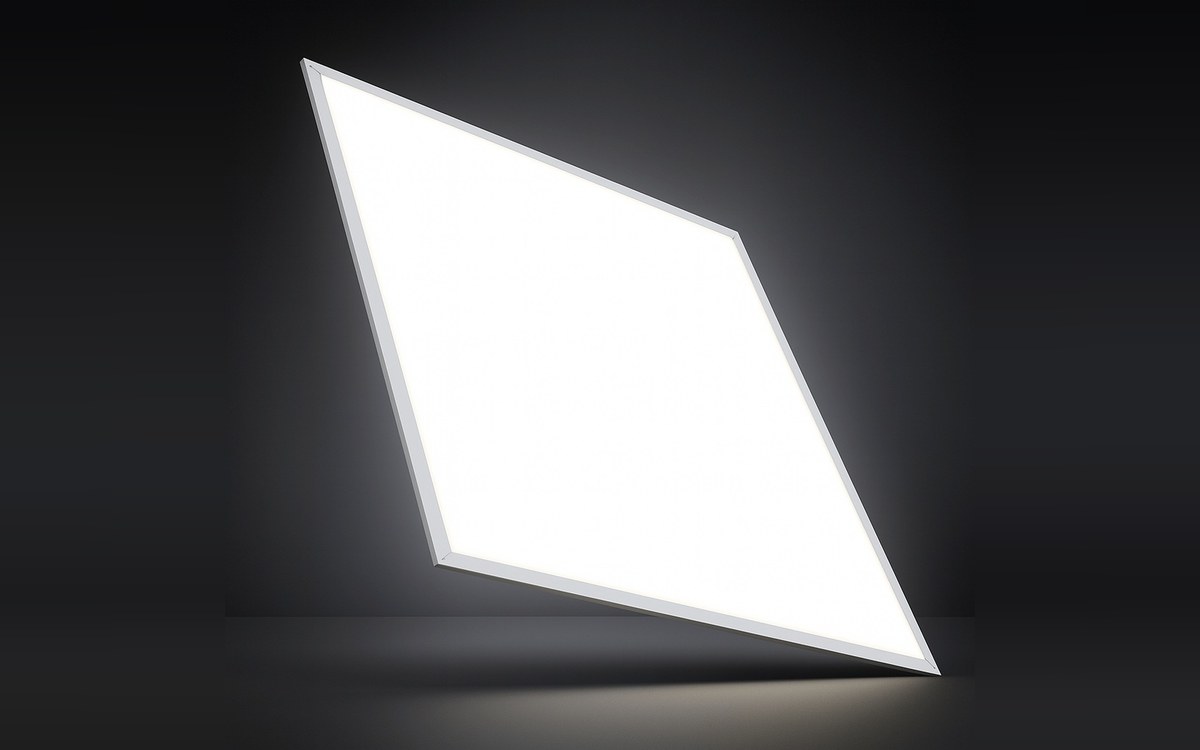
A 50 m² office at 500 lux needs 25,000 useful lumens. With factors of 0.7 and 0.8 the total rises to 44,643 lm. With panels of 4,800 lm you get 9.3, so 10 are needed, at 400W. The 40W 60x60 LED panels with a Philips driver and UGR19 give those lumens.
How many UFO high bays for a 500m² industrial unit at 8 metres high
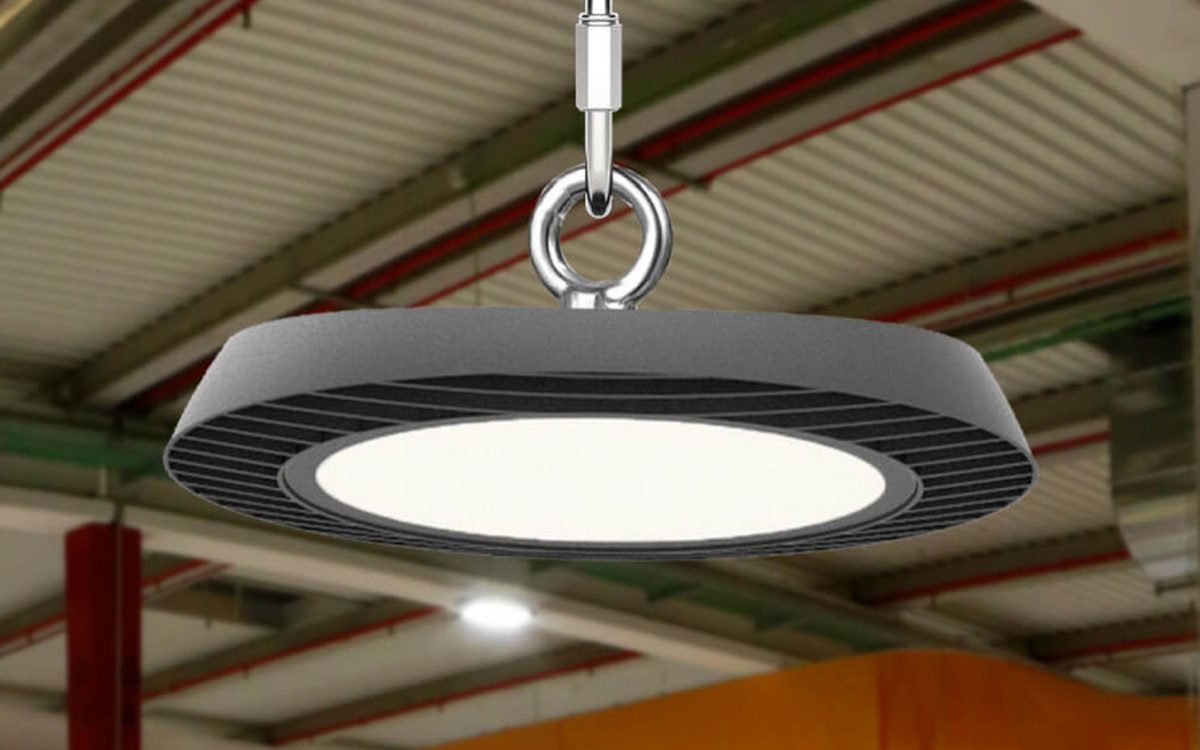
A 500 m² industrial unit at 200 lux needs 100,000 useful lumens. At 8 metres a utilisation factor of 0.6 and a maintenance factor of 0.8 are used, and the total rises to 208,333 lm. The 150W Endurance high bay at 140 lm/W emits 21,000 lm, so you get 10 high bays with 1,500W. With the 200W Luxemburgo at 34,000 lm, 7 are enough, with 1,400W.
With 10 high bays each one serves about 50 m², on a 7 metre grid, similar to the mounting height. You will find them in UFO industrial high bays.
How many downlights for a 25m² living room
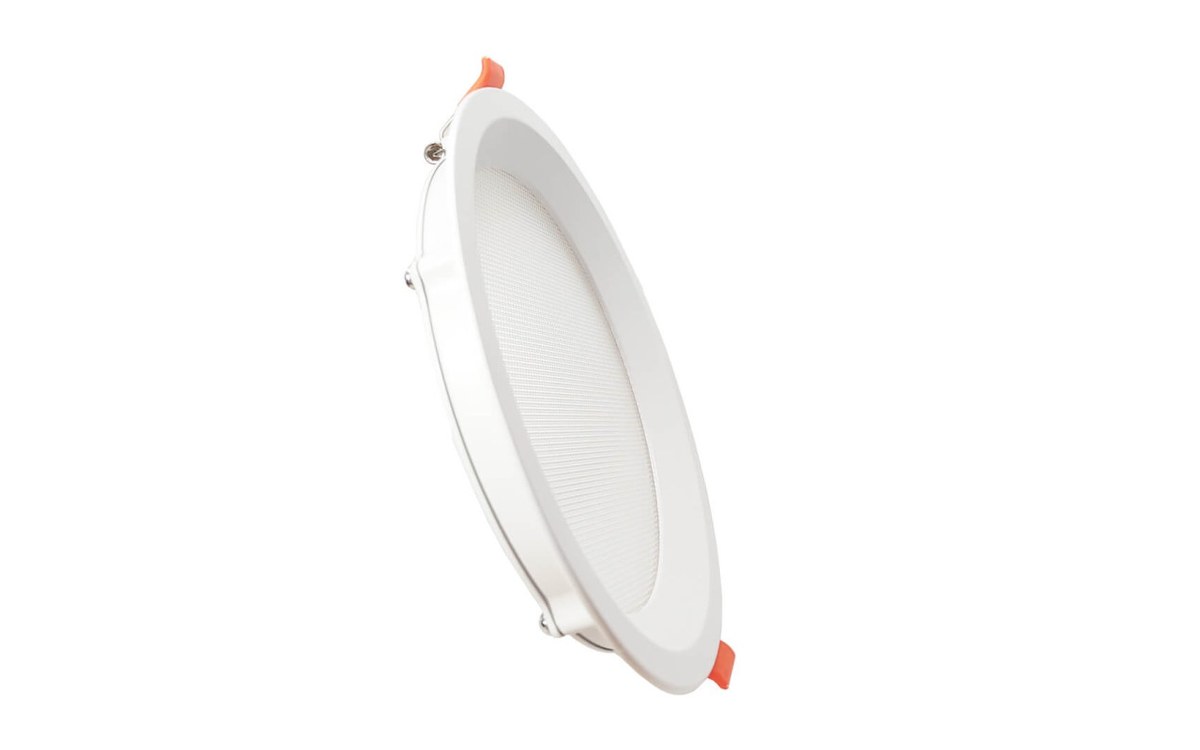
To know how many downlights I need for my living room: 25 m² at 250 lux give 6,250 useful lumens. With factors of 0.6 and 0.9 the total rises to 11,574 lm. A 16W downlight with 1,600 lm calls for 7.2, so 8 are fitted, with 128W. With the 6-12W model at 12W, which gives up to 1,440 lm, 9 would be needed. You will find them in slim downlights.
Simplified step-by-step calculator
An online LED power calculator does the same as these steps. Multiply the lux by the square metres, divide by 0.48 (factors of 0.6 and 0.8) and by the lumens of your luminaire, and round up. That is the number of luminaires for the space.
| Space | Lumens per m² | Watts per m² |
|---|---|---|
| Bedroom | 260 | 2.2 |
| Living room | 520 | 4.3 |
| Kitchen | 830 | 6.9 |
| Office | 1,040 | 8.7 |
| Warehouse | 520 | 4.3 |
With 120 lm/W you can answer how many LED watts for 20m2: a 20 m² living room needs about 87W. And to "how many lumens do I need for a living room" the table answers: 520 per square metre.
Additional factors that affect the calculation
Ceiling and wall colour, reflectance
The reflectance of ceiling, walls and floor decides how much light bounces back. A white ceiling returns around 70% of the light and a dark wall less than 30%. In a dark room the utilisation factor drops towards 0.5 and more luminaires are needed for the same lux level.
Installation height and beam angle
With mounting height the calculation changes: the higher it is, the fewer lux reach the floor. A 90° beam concentrates light more than a 120° one, which covers more surface with less intensity. At 8 metres a narrow beam and a spacing between luminaires similar to the height are advisable.
What to do with the result of your calculation
Check on each data sheet the real lumens, the efficacy in lm/W and the warranty. The panels in the example carry 5 years of warranty. The Luxemburgo offers 10 years and the 16W downlights, 3 years. Then choose: LED panels for the office, UFO high bays for the industrial unit and downlights for the home.
Frequently asked questions about calculating LED power
How many lumens do I need to light a 15m² room?
A 15 m² bedroom needs about 3,900 lumens and a living room about 7,800. They come from multiplying 15 by 260 or by 520, which are the lumens per square metre for each use, with the losses already included.
What are lux and how do they differ from lumens?
Lumens measure the total light a luminaire emits. Lux measure how much of it reaches each square metre. The same luminaire gives more lux in a small room than in a large one.
How many 40W LED panels do I need for an 80m² office?
For 500 lux you get 40,000 useful lumens, which with factors of 0.7 and 0.8 rise to 71,429 lm. With panels of 4,800 lm you need 15, with 600W. It is the same calculation as for the 50 m² office, only the surface changes.
Does the regulation require a minimum of lux in offices?
Yes, Royal Decree 486/1997 sets minimums according to the visual demand of the task. For computer work 500 lux is used. The European standard EN 12464 is used as a design reference.
How does wall colour affect the number of luminaires needed?
Dark walls absorb light and lower the utilisation factor. From 0.7 to 0.5 almost 40% more light is needed. With light colours fewer luminaires are needed.
Can I calculate how many LED high bays I need myself without being a technician?
Yes, with the lux from the table, the surface area and the lumens of the high bay. Divide the corrected total by the lumens of each high bay and round up. If the height or the risk is high, have a technician check it.
Does the lux calculation change if the luminaire is higher up?
Yes, the higher it is, the lower the utilisation factor and the less light reaches the floor. You have to use more lumens or a narrower beam. An industrial unit at 8 metres needs considerably more light than the same surface at 4.
Posted in:
Sample Category
Related posts
60x60 LED panels: everything you need to know before buying
Discover how to choose the ideal 60x60 LED panel for your project. We compare drivers, wattages, installation types...
Read more
A practical guide to choosing the perfect LED lighting for your office
Find out how to choose the perfect LED lighting for your office: it complies with the EN 12464 standard, boosts your...
Read more
Slim recessed LED downlights: guide to models, wattages and prices
Discover the differences between circular and square models, available wattages from 6W to 26W, key features such as...
Read more
LED colour temperature: how to choose between 2700K, 4000K and 6500K for your space
Warm, neutral or cool light: each LED colour temperature has its ideal space. We explain the differences between...
Read more
LED track spotlights for shops: single-phase vs three-phase, models and installation keys
Single phase or three-phase? Choosing the right LED track system makes the difference between a well-lit shop and one...
Read more
Search in blog
Blog categories
Latest posts
Three-phase track spotlights for shops and art galleries: Uppsala CRI 98 and Graz 3CCT for maximum visual impact
Read more
How to calculate the LED power needed per room: formula, lux tables and practical examples
Read more
Learn how to calculate LED power from lumens per square metre with a simple formula, a lux table by type of space and...
LED drivers and 24V power supplies: which one you need for each luminaire and how to choose without mistakes
Read more
Choosing well between an LED driver and a 24V power supply prevents flicker and failures. We review the differences,...
LED Lighting for Hotels: Common Areas and Rooms
Read more
Which fitting each hotel area needs: reception, corridors, rooms, spa and restaurant. We cover colour temperatures,...
E14 and G9 LED Bulbs: Replacements for Decorative Lamps
Read more
A guide to replacing the bulbs in your decorative lamps with LED and no building work. We explain which E14 candle or...
Popular posts
60x60 LED panels: everything you need to know before buying
Discover how to choose the ideal 60x60 LED panel for your project. We compare drivers, wattages, installation types...
Read more
LED colour temperature: how to choose between 2700K, 4000K and 6500K for your space
Warm, neutral or cool light: each LED colour temperature has its ideal space. We explain the differences between...
Read more
LED strips 220V AC: how to install them without a transformer and get the most out of them
220V AC LED strips plug straight into the mains without needing a transformer. In this guide we explain what models...
Read more
LED public lighting: current regulations, technical requirements and key points for compliance
Guide to Spain's LED public lighting regulations: technical requirements, road classes, parameters and mandatory...
Read more
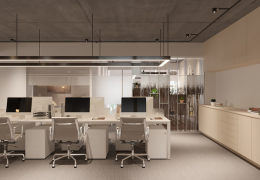
A practical guide to choosing the perfect LED lighting for your office
Find out how to choose the perfect LED lighting for your office: it complies with the EN 12464 standard, boosts your...
Read more
Leave a comment