Which fitting each hotel area needs: reception, corridors, rooms, spa and restaurant. We cover colour temperatures,...
.svg)

LED Lighting for Hotels: Common Areas and Rooms
A guest arrives at the hotel, crosses reception and within ten seconds has formed an opinion. Lighting has a lot to do with it. LED lighting in hotel common areas decides whether the space feels warm, expensive, cold or tired. And in the rooms, it decides whether the guest sleeps well and comes back.
A technical director of an 8-hotel chain had to renew everything within 3 years. He needed clear criteria for each area, not a loose catalogue. This guide answers that question: which fitting, which colour temperature and which dimming control each space needs. That way you can provide proper lighting in hotels of any size.
Why lighting defines the experience in every area of the hotel
A hotel is not a single space, and hotel lighting has to be planned area by area, because reception, corridors, rooms, spa and restaurant each call for a different light.
If you install the same fitting everywhere, something goes wrong. Either you dazzle the guest in the lobby, or you leave the corridor dark, or you give cool light to someone trying to fall asleep.
Lighting also weighs on costs. In a hotel the lights stay on for many hours a day, so energy efficiency and energy consumption make the difference on the annual bill. Planning by area lets you get the light right and spend less at the same time.
Reception and lobby, the first impression
Reception is the hotel's calling card. Here, LED reception lighting should be even, clean and free of annoying reflections. The aim is uniform lighting that doesn't tire the eyes. Guests arrive tired and want to see clearly the person who is serving them.
UGR19 LED panels for even light without glare
UGR measures glare. With a UGR19 value, visual comfort at reception is kept even in the work areas where staff sit in front of a screen for hours. A UGR19 LED panel for hotel reception spreads the light evenly across the whole ceiling. The 60x60 LED panel is the most common format in modular false ceilings. LED panels with a slim frame blend into modern false ceilings without changing the look of the whole.
LED panels for hotels and offices, with good colour rendering and a high CRI, are also the answer for the back office and meeting rooms. You can see all the formats in LED panels.
4000K neutral, professional colour temperature
At reception, a colour temperature of 4000K works well. With the natural light from the glass walls, this neutral light blends in without sharp changes. It is a neutral light that conveys order, clarity and professionalism to people arriving for the first time. If the hotel wants a warmer tone, you can drop to 3000K in the lobby and keep 4000K at the desk.
As a general rule, choose a more neutral light the busier the area is, and a warmer light the greater the need for rest.
Accent lighting for decorative features
General light is not enough, because a painting, a sculpture or a wooden desk needs specific accent light. Adjustable downlights with a narrow beam highlight these features without adding glare. This gives the lobby depth and character.
To see recessed and adjustable options, go to LED downlights, ceiling lights and panels. If your reception needs UGR19 panels, that is the first category to look at.
Corridors and circulation areas
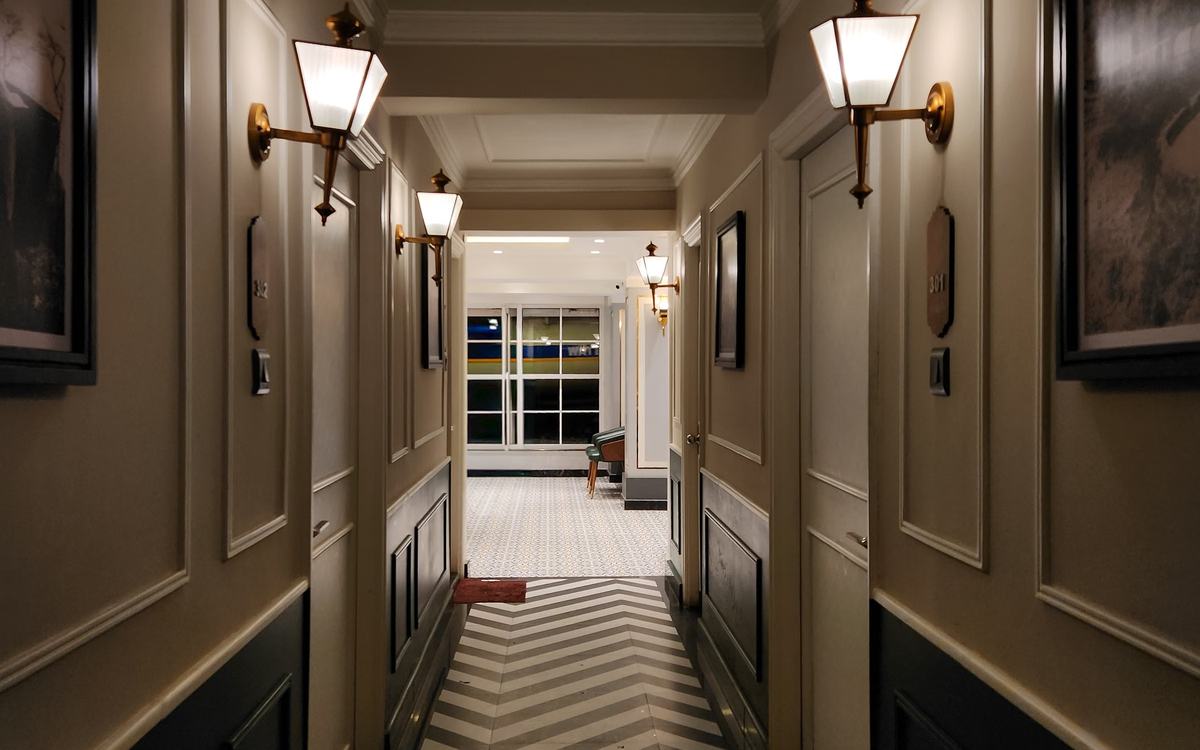
Hotel corridors are walked at all hours, although rarely with many people at once, and keeping full light on for 24 hours is a cost that is easy to avoid.
LED ceiling lights with presence sensors to save energy
A ceiling light with a presence sensor in the hotel corridor does more than save energy. It switches the light on when someone passes and lowers it when no one is there. It is the most direct way to save energy with presence detection in a corridor. In a hotel with hundreds of metres of corridor, the effect on the bill is large.
A ceiling light with a presence sensor for a hotel corridor also stops guests finding a dark corridor at night. Many models keep a minimum level and rise when they detect movement. To choose, look at presence detectors and LED ceiling and surface lights.
Minimum lux levels under hotel regulations
Hotel electrical installation regulations and lighting standards set minimum lux levels in walkways. For corridors, people usually talk about an average of around 100 lux at floor level, and that set minimum should not be lowered. Always check the exact value with the project engineer, because it depends on the category of the hotel and on regional regulations.
A fitting with a sensor that drops below the minimum during hours of use would be a mistake. Choose models that keep the required level when people are present.
3000K colour temperature for a cosy atmosphere
In corridors, a 3000K light creates a cosy atmosphere without compromising visibility, as it acts as a middle point between the neutral lobby and the warm rooms. This way the walk to the room already prepares the guest to rest.
Rooms, dimming control and guest wellbeing
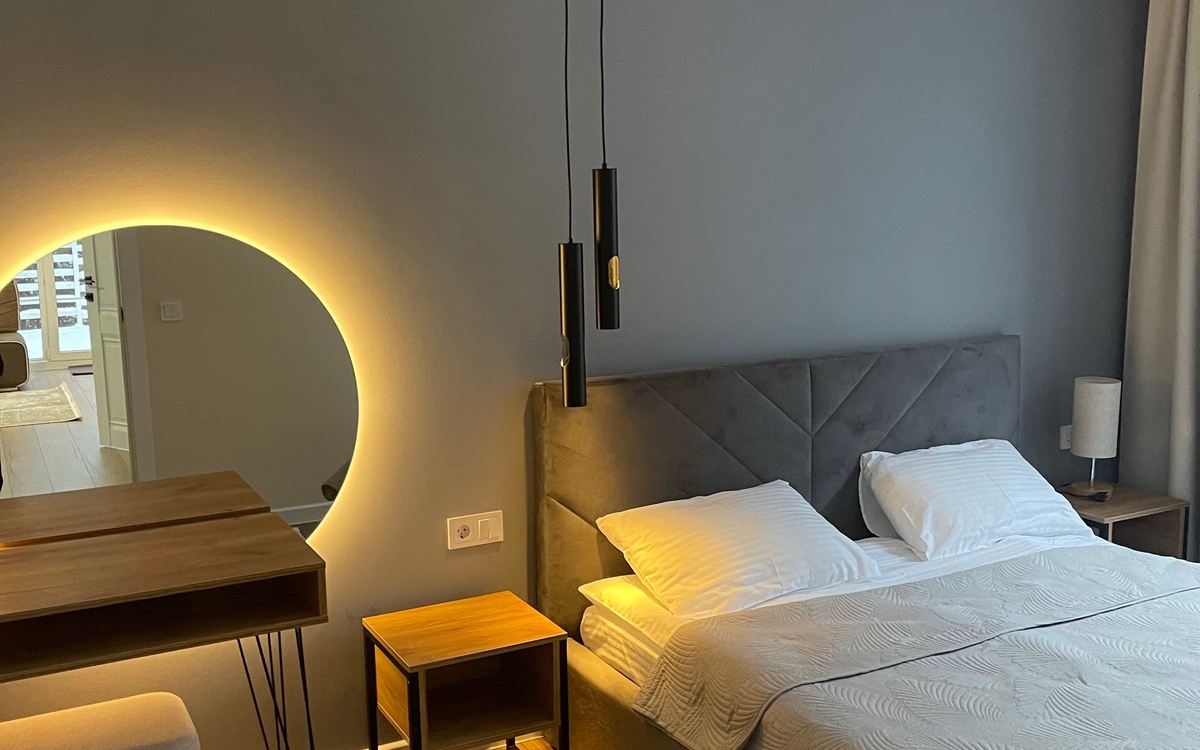
The room is where the guest spends the most time and where light directly affects their rest, which makes it the area where investing in control pays off most.
Moss downlight with guest-adjustable CCT
The Moss downlight with adjustable CCT lets you change the colour temperature from the fitting itself. With a single model you can offer warm light for reading and more neutral light for working, and the guest can set the brightness as they like. A Moss LED downlight for a hotel room reduces stock references, because the same product serves several moods.
CCT dimming control in a hotel room improves guest wellbeing and gives the feel of a high-end hotel. See the available models in slim LED downlights.
DALI or 1-10V dimming for lighting scenes
To get dimmable LED lighting across the whole hotel room, you need a dimming system. A DALI system with zone control across the hotel lets you programme scenes, groups and schedules. 1-10V is simpler and usually cheaper in small installations.
If the hotel is large or has centralised management, DALI is the logical choice. In refurbishments on a tight budget, 1-10V does the job. To control power you can look at the power regulators.
2700K night colour temperature to encourage rest
At night, a colour temperature of 2700K is the best ally of rest, since a warm, low light helps the guest relax gradually. With the CCT downlight you can leave the courtesy light at 2700K and the reading light in a brighter tone.
This combination of 2700K and 4000K colour temperature in the hotel covers the whole day in a single room.
Wellness areas, spa and indoor pool
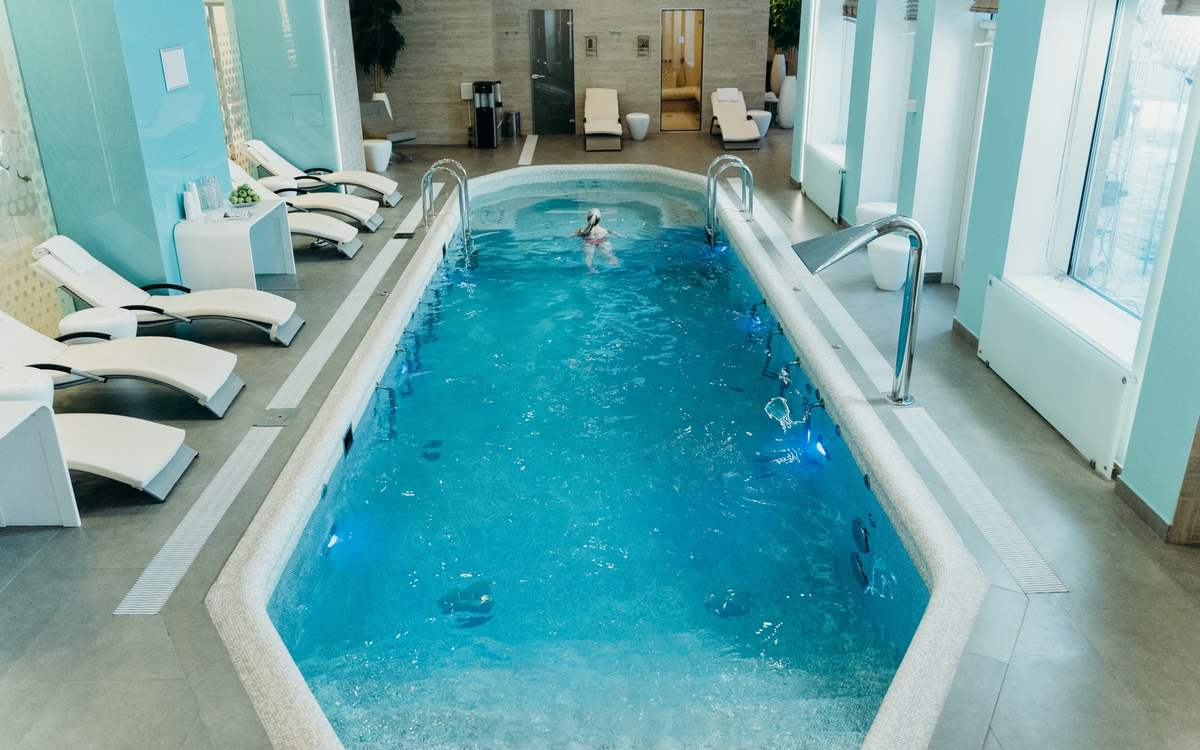
In the spa, light is there to relax. Here, LED lighting for the hotel spa area should be soft, indirect and moisture resistant.
LED strips in aluminium profile for ambience
LED strips in an aluminium profile, one of the most versatile lighting solutions, give a continuous light with no visible dots, ideal for a wellness atmosphere. They hide in a moulding or under a bench and wash the wall with warm light. For a clean effect, use a diffuser profile and avoid showing the LED dots.
LED strips for wellness in a hotel with a spa are combined with the aluminium profile to protect the strip and dissipate heat. See LED strips and flexible neon and the LED aluminium profiles.
IP44 downlights for damp areas
In showers, saunas and the indoor pool there is constant steam and splashing, so IP44-rated downlights are the ones that withstand that moisture without compromising electrical safety, and it is best to avoid standard indoor fittings in these areas.
Warm 2700K for total relaxation
To relax, the light should be warm and low. A 2700K temperature in the spa creates an enveloping atmosphere. Combine the indirect light from the strips with soft points of light to add depth.
If the hotel has LED strips in a damp area, check the protection rating of both the strip and the profile. Moisture is the most common cause of failure in these spaces.
Hotel restaurant and bar areas
In the restaurant, a warm light between 2700K and 3000K works best, with accent points over the tables. Dimmable light lets you switch from breakfast to dinner without touching anything. A good CRI makes the food look appetising, and room service and breakfast gain in presence.
The bar can take more drama. Here you can use accent light, LED strips behind the counter and lower dimming. Decorative filament bulbs look good in pendants over the bar.
Energy savings in hotels with LED and smart control
For hotel management, the strongest argument is the sustained saving over the years. LED technology uses a fraction of what older technologies do. If you also add sensors, dimming and scenes, the cost drops even further.
Energy efficiency also helps meet the building's energy certification. A well-designed project pays back the investment in a few years. In addition, LED fittings last for many hours, which cuts maintenance and technician visits.
The best savings levers are these: presence sensors in corridors, dimming in rooms and zone control with DALI. Asking for a savings calculation before deciding avoids surprises.
How to manage a complete hotel lighting project
A complete hotel LED lighting project starts with an inventory. Count the areas, the light points and the hours of use. Then define the fitting, colour temperature and dimming control for each area.
This table sums up the usual criteria by area.
| Area | Colour temperature | Recommended lux | Suggested fitting |
|---|---|---|---|
| Reception and lobby | 3000K to 4000K | 300 to 500 | UGR19 LED panel |
| Corridors | 3000K | 100 to 150 | Ceiling light with presence sensor |
| Rooms | 2700K to 4000K | 150 to 300 | Moss downlight with CCT |
| Wellness and spa | 2700K | 100 to 200 | LED strip in profile and IP44 downlight |
| Restaurant and bar | 2700K to 3000K | 150 to 300 | Adjustable downlight and pendants |
If you manage a chain, it pays to standardise models across hotels, as this improves purchasing, reduces warehouse stock and simplifies maintenance. Our team can help you with the complete project, from the study to the supply. Download our guide and request a technical meeting for your chain.
Frequently asked questions about LED lighting for hotels
Which LED panels are best for a hotel reception?
Panels with UGR19 and 4000K in a slim frame format. They give even light without glare and blend well into false ceilings.
Why install presence sensors in hotel corridors?
To save energy. The ceiling light comes on only when someone passes, and consumption drops a lot in low-traffic hours.
What is the Moss downlight with CCT and why is it ideal for hotel rooms?
It is a downlight whose colour temperature can be adjusted. With a single model you cover warm light for rest and neutral light for work.
Which dimming system is better for hotel rooms, DALI or 1-10V?
DALI for large hotels with centralised management and scenes. 1-10V for simpler installations on a smaller budget.
What colour temperature do you recommend for the rooms of a 4-star hotel?
2700K for night light and rest, and 4000K for reading and work. A downlight with adjustable CCT solves it with a single product.
Can LED strips withstand the moisture of a spa or pool area?
Only those with suitable protection, such as IP65 or higher, and with a sealed profile. Always check the protection rating.
Do you offer complete lighting projects for hotel chains?
Yes. We study each of your areas, propose fittings and dimming control, and support you through to supply. Request a technical meeting and we will go through it.
Posted in:
Sample Category
Related posts
60x60 LED panels: everything you need to know before buying
Discover how to choose the ideal 60x60 LED panel for your project. We compare drivers, wattages, installation types...
Read more
A practical guide to choosing the perfect LED lighting for your office
Find out how to choose the perfect LED lighting for your office: it complies with the EN 12464 standard, boosts your...
Read more
Slim recessed LED downlights: guide to models, wattages and prices
Discover the differences between circular and square models, available wattages from 6W to 26W, key features such as...
Read more
LED colour temperature: how to choose between 2700K, 4000K and 6500K for your space
Warm, neutral or cool light: each LED colour temperature has its ideal space. We explain the differences between...
Read more
LED track spotlights for shops: single-phase vs three-phase, models and installation keys
Single phase or three-phase? Choosing the right LED track system makes the difference between a well-lit shop and one...
Read more
Search in blog
Blog categories
Latest posts
LED Lighting for Hotels: Common Areas and Rooms
Read more

E14 and G9 LED Bulbs: Replacements for Decorative Lamps
Read more
A guide to replacing the bulbs in your decorative lamps with LED and no building work. We explain which E14 candle or...
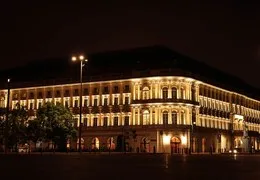
LED outdoor lighting for hotels: how to create a visual impact that raises perceived category
Read more
Guide to LED outdoor lighting for hotels. We cover how to light the facade, garden, entrances and terraces with wall...
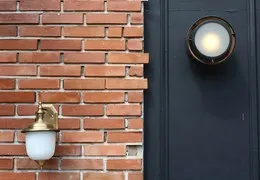
Outdoor LED wall lights: guide to IP54 models for facades, gardens and entrances with lasting design
Read more
Guide to choosing outdoor LED wall lights. We compare the Cannes IP54 and Gotemburgo E27 models, explain the IP...
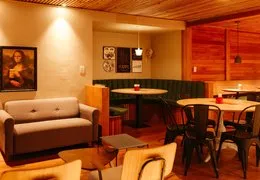
LED Lighting for Restaurants: Create Ambience
Read more
LED lighting and restaurant ambience decide how long your guests stay at the table. We explain which colour...
Popular posts
60x60 LED panels: everything you need to know before buying
Discover how to choose the ideal 60x60 LED panel for your project. We compare drivers, wattages, installation types...
Read more
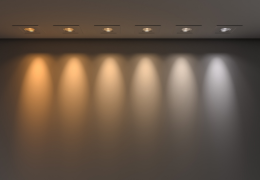
LED colour temperature: how to choose between 2700K, 4000K and 6500K for your space
Warm, neutral or cool light: each LED colour temperature has its ideal space. We explain the differences between...
Read more
A practical guide to choosing the perfect LED lighting for your office
Find out how to choose the perfect LED lighting for your office: it complies with the EN 12464 standard, boosts your...
Read more
LED strips 220V AC: how to install them without a transformer and get the most out of them
220V AC LED strips plug straight into the mains without needing a transformer. In this guide we explain what models...
Read more
LED public lighting: current regulations, technical requirements and key points for compliance
Guide to Spain's LED public lighting regulations: technical requirements, road classes, parameters and mandatory...
Read more
Leave a comment