Which fitting each hotel area needs: reception, corridors, rooms, spa and restaurant. We cover colour temperatures,...
.svg)

LED surface-mounted lights vs recessed downlights: how to choose the most suitable one for each space
Choosing between surface-mounted lights and recessed downlights is the doubt that most holds back a ceiling lighting purchase. Both distribute light from above, but they're installed differently, and that changes the budget, the building work and the final look. Correcting course with the technician already at home costs money. It always comes down to the same things: what's above your ceiling, how much building work you're willing to accept and where you want each point of light.
The two main options for lighting ceilings with LED
Within the types of ceiling lighting there are two paths. Either the luminaire stays hidden inside the ceiling or it rests on top of it. Each option is a different type of lamp and changes the installation.
What a recessed downlight is and how it works
Recessed LED spotlights sit inside a cavity cut into the ceiling. Only the trim ring and the light source remain visible, with the body and the driver hidden above. The difference between a surface-mounted LED light and a recessed downlight starts here, because a recessed fitting requires a cavity and a surface-mounted light doesn't.
What a surface-mounted LED light is and when to use it
The surface-mounted LED light is screwed to the ceiling and stays visible. It's two or three centimetres thick, little more than traditional ceiling lamps. It works on a concrete slab and on any ceiling that can't be cut into.
Surface-mounted lights vs recessed downlights head to head
Before ordering, note down the type of luminaire, the cutout diameter and the available depth.
| Criterion | Recessed downlight | Surface-mounted LED light |
|---|---|---|
| Installation | luminaire recessed into false ceiling | surface installation with no cutout |
| Cavity | minimum downlight installation depth, 3 to 12 cm | none |
| Cutout | downlight cutout diameter, 68 to 225 mm | drill holes only |
| Finish | flush-with-ceiling recessed finish | body visible |
| Light distribution | downward beam | omnidirectional beam angle |
| Building work | plasterboard or plaster | quick renovation with no rubble |
Installation cost and building work required
The fitting itself costs about the same, and the difference lies in the labour. When it comes to recessed downlight vs surface-mounted cost, the recessed option adds marking out, cutting with a hole saw and connection work overhead. Installing a recessed downlight without a false ceiling also means building a plasterboard structure.
The question of surface-mounted light vs recessed price difference is settled by adding material plus hours, never by comparing price tags.
Aesthetic result and visual finish
The recessed fitting gives a flush-with-ceiling finish, with no bulk and no shadow of its own. The surface-mounted light is visible, although slim models barely protrude. The aesthetic difference between surface-mounted and recessed fittings shows up on low ceilings, where any protruding body takes away visual height. Framed as a smooth ceiling vs a visible luminaire, the aesthetic impact of the fitting matters more the smaller the room is.
Dimming options and accessories
Not all models support dimming, check that the driver is dimmable. The usual colour temperature range runs from 3000 K to 6000 K, and some models let you change it with a selector switch.
A surface-mounted LED light for a bathroom must carry at least an IP44 rating. For damp areas, electrical installation regulations for light fittings require RCD protection and an earth connection.
When to choose a recessed downlight
New builds with a false ceiling under construction
If the ceiling isn't closed up yet, a recessed downlight for new builds is the logical choice. The installer lays out each light point on the plan and cuts before painting, with no extra cost.
Full renovations with access to the plenum
A recessed downlight in a plasterboard false ceiling is fixed in place with spring clips in seconds, and the plenum allows the connection boxes to be repositioned.
Spaces where a smooth ceiling is an aesthetic priority
In modern kitchens, hallways and design-led homes, a clean ceiling takes priority. To achieve uniform illuminance in a long hallway, spread out several small points of light instead of using one central fitting.
When to choose a surface-mounted LED light
The surface-mounted light solves the cases where a recessed fitting doesn't fit or isn't worth it.
Ceilings with no false ceiling or plenum
A concrete slab can't be cut into. With no cavity, a recessed fitting isn't possible, and the answer to when to use a surface-mounted light or a recessed one is straightforward. Measure the ceiling height and the thickness of the slab before ruling anything out.
Quick renovations with no building work or rubble
A quick surface-mounted LED light renovation can change the lighting in a living room in one afternoon. The old lamp is taken down and the surface-mounted light is screwed onto the same connection box. No dust and no need to notify the building's residents' association.
Entrance halls, staircases and passageways
In entrance halls and landings, durability and energy consumption take priority. A sealed surface-mounted light withstands knocks and its declared service life exceeds 30,000 hours.
Energy efficiency in lumens per watt determines the bill, and the energy savings compared with old tubes pay back the switch quickly.
Mixed cases: combining recessed fittings and surface-mounted lights
The usual approach is to recess fittings where there's a false ceiling, in kitchens and bathrooms, and to fit surface-mounted lights where the slab is exposed. To decide between a surface-mounted LED light or a downlight for a living room, measure the floor area and work out the lumens per square metre you need.
When it comes to surface-mounted LED light vs recessed light output, the distribution changes more than the total luminous flux, because the surface-mounted light widens the beam and the recessed fitting concentrates it.
Conclusion and advice for your project
The question of which looks better, a surface-mounted light or a recessed one, has no single answer.
With a false ceiling and building work already underway, go recessed. With no cavity or no appetite for building work, go for a slim surface-mounted light.
For a downlight or surface-mounted light in a bedroom, prioritise visual comfort, warm light and no glare.
If you're torn between a surface-mounted LED light and a recessed one and which is better, decide based on the ceiling you have, not the one you'd like to have.
Frequently Asked Questions
Can I install a recessed downlight without a false ceiling?
Only if you create the cavity, by lowering the ceiling with plasterboard or using a surface-mounted junction box. Without a cavity, a surface-mounted light is the sensible way out.
Is it more expensive to install recessed downlights than surface-mounted lights?
Yes, in labour. The recessed option adds cutting and overhead connection work. With building work already underway, that difference is barely noticeable.
Which looks more elegant, a surface-mounted light or a recessed one?
The recessed fitting leaves the ceiling clean and is more discreet. A well-chosen slim surface-mounted light looks almost the same without touching the ceiling.
How much depth do I need to install a recessed downlight?
It depends on the model. Ultra-slim ones need only around 3 cm, while standard ones require between 7 and 12 cm.
Do LED surface-mounted lights give as much light as recessed ones?
Yes, at equal lumens. The distribution changes, because the surface-mounted light widens the beam more and the recessed fitting directs the light downward.
Can I replace my current surface-mounted lights with recessed downlights without building work?
No, unless there's a false ceiling with enough cavity space. If the ceiling is solid, the change involves building work, and a slim surface-mounted light avoids that expense.
Which option is better for a bathroom with a low ceiling?
A slim surface-mounted light with IP44 protection. It gains centimetres when there's no plenum and holds up well against steam and moisture.
Posted in:
Sample Category
Related posts
60x60 LED panels: everything you need to know before buying
Discover how to choose the ideal 60x60 LED panel for your project. We compare drivers, wattages, installation types...
Read more
A practical guide to choosing the perfect LED lighting for your office
Find out how to choose the perfect LED lighting for your office: it complies with the EN 12464 standard, boosts your...
Read more
Slim recessed LED downlights: guide to models, wattages and prices
Discover the differences between circular and square models, available wattages from 6W to 26W, key features such as...
Read more
LED colour temperature: how to choose between 2700K, 4000K and 6500K for your space
Warm, neutral or cool light: each LED colour temperature has its ideal space. We explain the differences between...
Read more
LED track spotlights for shops: single-phase vs three-phase, models and installation keys
Single phase or three-phase? Choosing the right LED track system makes the difference between a well-lit shop and one...
Read more
Search in blog
Blog categories
Latest posts
LED Lighting for Hotels: Common Areas and Rooms
Read more

E14 and G9 LED Bulbs: Replacements for Decorative Lamps
Read more
A guide to replacing the bulbs in your decorative lamps with LED and no building work. We explain which E14 candle or...

LED outdoor lighting for hotels: how to create a visual impact that raises perceived category
Read more
Guide to LED outdoor lighting for hotels. We cover how to light the facade, garden, entrances and terraces with wall...
Outdoor LED wall lights: guide to IP54 models for facades, gardens and entrances with lasting design
Read more
Guide to choosing outdoor LED wall lights. We compare the Cannes IP54 and Gotemburgo E27 models, explain the IP...
LED Lighting for Restaurants: Create Ambience
Read more
LED lighting and restaurant ambience decide how long your guests stay at the table. We explain which colour...
Popular posts
60x60 LED panels: everything you need to know before buying
Discover how to choose the ideal 60x60 LED panel for your project. We compare drivers, wattages, installation types...
Read more
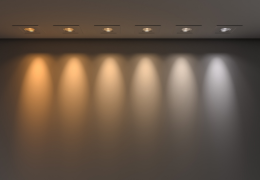
LED colour temperature: how to choose between 2700K, 4000K and 6500K for your space
Warm, neutral or cool light: each LED colour temperature has its ideal space. We explain the differences between...
Read more
A practical guide to choosing the perfect LED lighting for your office
Find out how to choose the perfect LED lighting for your office: it complies with the EN 12464 standard, boosts your...
Read more
LED strips 220V AC: how to install them without a transformer and get the most out of them
220V AC LED strips plug straight into the mains without needing a transformer. In this guide we explain what models...
Read more

LED public lighting: current regulations, technical requirements and key points for compliance
Guide to Spain's LED public lighting regulations: technical requirements, road classes, parameters and mandatory...
Read more
Leave a comment