A standalone solar LED streetlight lights rural paths, housing developments and industrial estates without mains...


Solar LED streetlights: total autonomy without mains power for paths, housing developments and industrial estates
A standalone solar LED streetlight solves lighting where bringing in mains power costs more than the product itself. It works with its own photovoltaic panel, battery and sensor, with no trenches or cabling. It is the usual solution for rural paths, housing developments without a connection and new industrial estates.
This guide helps you decide whether a solar streetlight is viable for your installation: how it works, how many days it lasts without sun, where it is installed and how much you save compared with the grid.
Why choose a solar LED streetlight over a conventional one
A conventional streetlight needs the grid, and the grid needs civil works. The solar one brings capture, storage and light together in one point, and the project comes down to choosing the spot and fixing the pole.
No trenches, no cabling, no electrical installation cost
Digging a trench, laying cable, installing a panel board and processing the connection often weighs more than the streetlights. With installation without trenches or civil works those items disappear. The electrical installation cost saving is the great advantage of this system, and over long stretches it can exceed the price of the product.
Ideal for rural areas and places without grid access
Where the grid is hundreds of metres away, the solar LED streetlight without mains power is the only reasonable option. Each point works from day one without depending on the others.
Villa Solar 200W streetlight with Philips Lumileds chip
The 200W solar LED streetlight with Philips Lumileds in the Villa range brings together what a standalone lighting project needs. It has a chip from a recognised brand, an integrated panel and a reserve battery designed to work together. Anyone who wants a more modest version also has the Villa solar LED streetlight 65W for less demanding stretches.
The Philips Lumileds chip, solar quality, shows in practice: it makes the most of every watt the battery delivers and keeps its light output over the years, which is key when available energy is limited.
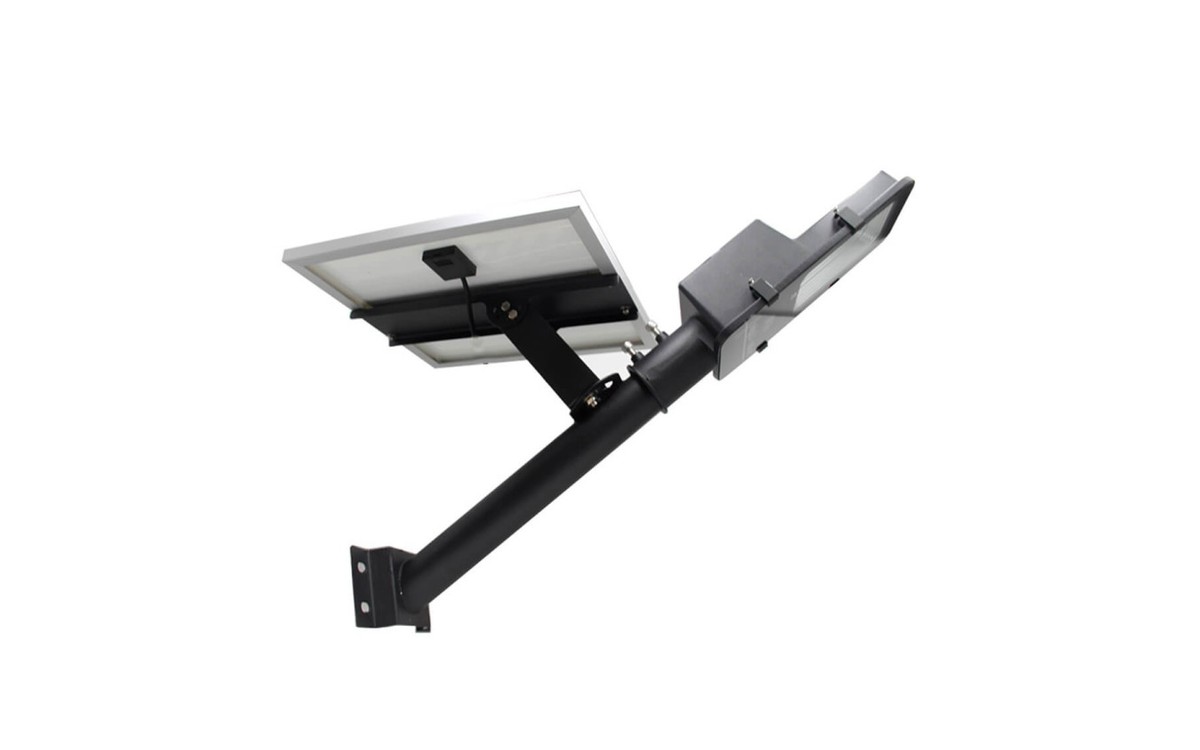
High-efficiency monocrystalline solar panel
A high-efficiency monocrystalline solar panel captures more energy per surface than polycrystalline panels, and does so better in diffuse light. In winter, with the sun low and short days, that difference decides whether the streetlight manages to charge or not.
Lithium battery and autonomy on cloudy days
The solar LED streetlight with lithium battery stores the energy of the day for the night. The key figure is lithium battery autonomy on cloudy days: the larger the reserve, the more nights in a row it lasts without receiving sun, and it recovers its charge as soon as the light returns.
Battery life is measured in charge cycles. Lithium withstands many more cycles than other technologies, which is why battery life in charge cycles is the figure to ask for before comparing prices.
Power programming by time slots
The programmable solar LED streetlight adjusts its power according to the hour. At dusk it gives maximum power, in the middle hours it drops and at dawn it rises again. With hourly power programming in LED, autonomy is extended and energy is saved when almost nobody passes.
The twilight sensor with automatic switching manages on and off: it turns the light on at dusk and off at dawn, with no switch or clock. Some models add a motion sensor to raise the power when someone passes.
Colour temperature of 4500K to 5000K for maximum visibility
Outdoors the aim is to see the path, the kerbs and the obstacles well. A colour temperature of 4500K to 5000K outdoors gives a neutral white light, with good contrast and recognisable colours, without the bluish tone that dazzles or the yellowish one that dulls the details. The solar LED streetlight at 4500K to 5000K is comfortable for pedestrians and improves the sense of safety.
Protection completes the set. The IP65 rating gives weather protection for the solar unit against dust and water jets, so that rain, adverse weather conditions and cleaning do not affect it.
How many days of autonomy without sun
It is the question that comes up most and the one that most affects the purchase. The answer depends on the battery size, the lamp power and how it is programmed. A well-designed solar LED streetlight with autonomy on cloudy days stays on for several nights in a row without direct sun.
How the reserve battery works
During the day the panel charges the battery and the streetlight stays off. At night the battery feeds the lamp. The reserve is the margin left when a day does not charge it fully.
What happens after several cloudy days in a row
If the charge falls short, the programming reduces the power to stretch the reserve and the streetlight stays on at lower intensity. When the sun returns the battery recovers and the streetlight resumes the normal programme. That is why hourly programming matters as much as the battery size.
Applications by type of installation
The solar streetlight fits where the grid is expensive or non-existent.
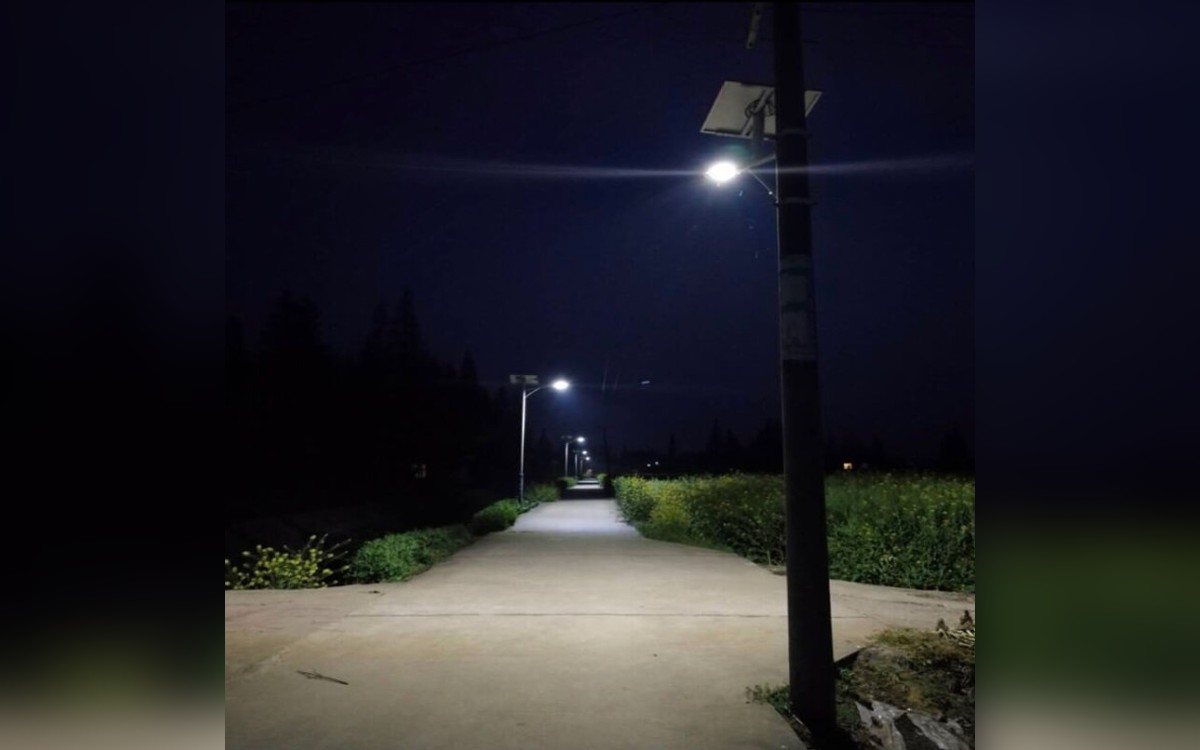
Rural paths and livestock tracks
The solar LED streetlight for a rural path lights long, remote stretches where running cable would be out of proportion. The same criterion works for the solar LED streetlight for a sports centre path, with access routes far from the site's grid.
Housing developments without a power connection
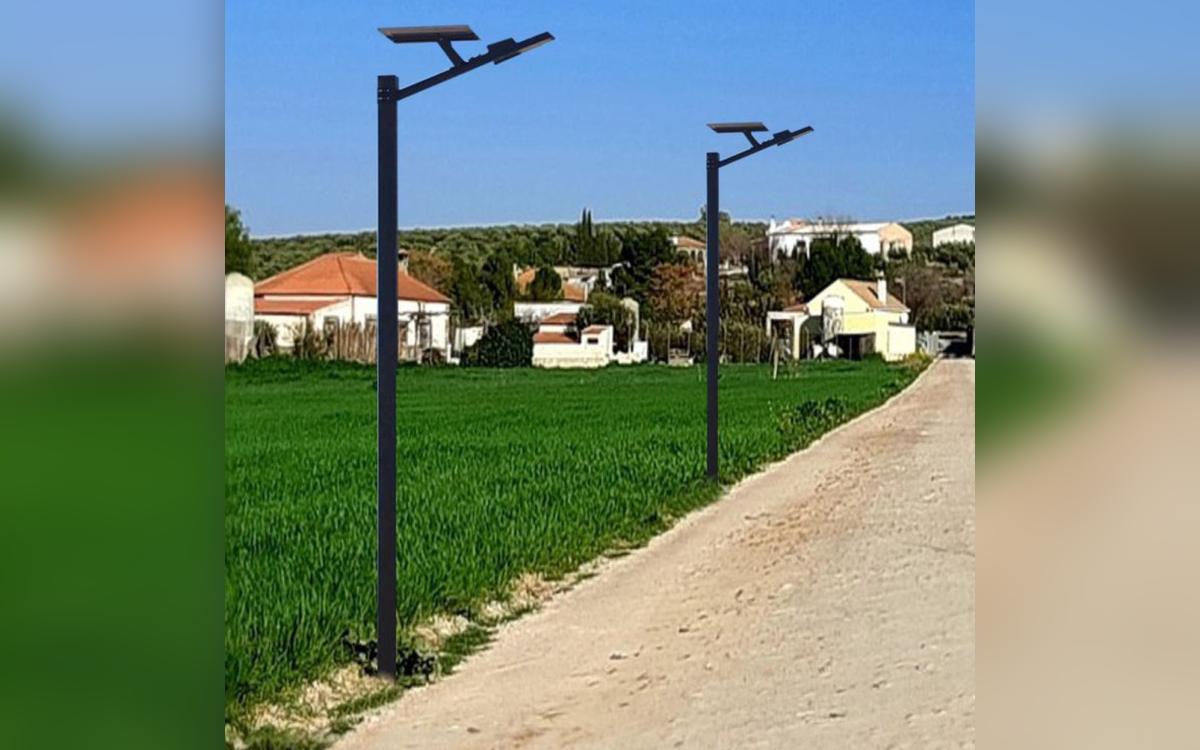
The solar LED streetlight for a housing development solves roads, entrances and common areas without contracting a supply. The connection fee, the meter and the fixed charge are avoided.
Industrial estates and new development areas
On land under development, the solar LED streetlight for an industrial estate allows lighting before the final urbanisation arrives. If it is later connected to the grid, the streetlights are moved to other stretches. For stretches that do have a grid, the urban LED streetlights category gathers the connected options.
Step-by-step installation without civil works
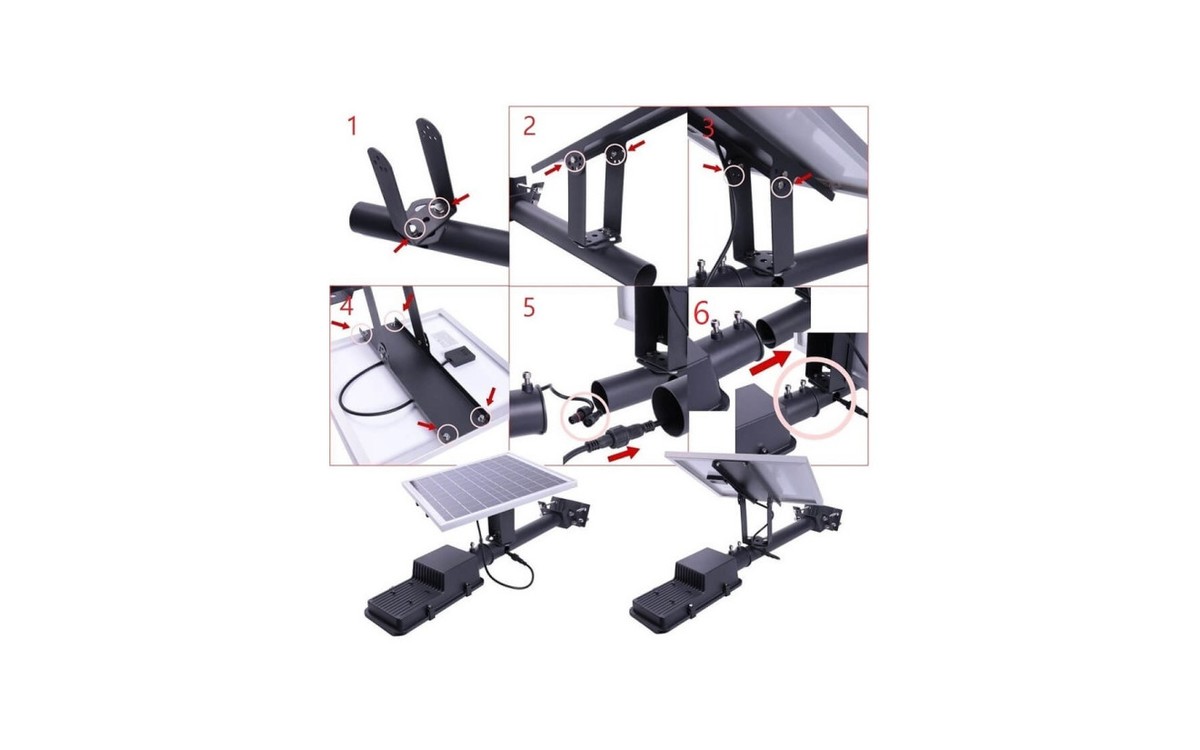
The solar LED streetlight installed without works is mounted in one day and with little staff. The process usually follows four steps.
- The points are marked and it is checked that no shadow covers the panel during sun hours.
- A simple base is prepared, with no trench or electrical connection.
- The pole is fixed and the panel is oriented to the south.
- Automatic switching is checked and the time programme is loaded.
Total cost comparison, solar installation vs grid power
The price of the streetlight does not tell the whole story. A correct comparison includes everything needed for the light to work and keep working. The price of a solar LED streetlight means a higher initial investment than a grid-connected one, but the latter needs a trench, cable, panel board, connection and a monthly bill.
| Item | Solar streetlight | Grid streetlight |
|---|---|---|
| Trenches and civil works | Not needed | Needed along the whole route |
| Cabling and electrical panel | Not needed | Needed |
| Connection and supply contract | Not needed | Needed |
| Electricity bill | None | Monthly and variable |
| Commissioning time | One day per point | Weeks because of the works |
| Maintenance | Periodic check of panel and battery | Check of line and luminaire |
On a 3 kilometre path without a connection, the total cost of the solar installation can be 60% lower than bringing in the grid. When a council pays for the project, the deciding figure is the solar LED streetlight price for a municipality calculated with all the items and not only the unit.
The streetlights can be reviewed in the solar LED streetlights category, and the Ibérica de Iluminación team advises on the whole project. Contact us with the length of the stretch and the planned light points and we will prepare the proposal. Buy the solar LED streetlight with full warranty and get technical support to size the battery and the programming.
Frequently asked questions about solar LED streetlights
How many days of autonomy does a solar LED streetlight have without direct sun?
It depends on the battery and the programming, but a well-sized streetlight lasts several nights in a row. If cloudy days drag on, it reduces power to stretch the reserve.
Does the Villa solar LED streetlight work in winter with short days?
Yes, as long as the panel is well oriented and free of shadows. The monocrystalline panel performs well in low light and the programming spreads the energy over the whole night.
What conventional streetlight is the 200W solar streetlight equivalent to?
The 200W of a solar streetlight refers to the whole system. To compare it with a conventional one you have to look at the luminous flux and the light distribution, not only the watts.
Do solar LED streetlights need maintenance?
Very little. It is enough to clean the panel and check the battery from time to time. There is no cabling or panel board.
Can I program the intensity of the solar streetlight according to the hour of the night?
Yes. Programming by time slots allows more light early in the night and lower power when there is less traffic, which extends the autonomy.
Do solar LED streetlights withstand wind and heavy rain?
Yes. With IP65 the unit is protected against rain and dust, and the pole is sized and fixed to withstand the wind of the area.
How much installation saving when choosing a solar streetlight over grid power?
The trench, cabling, panel board and connection are avoided. Over long stretches without a grid, that energy and works saving can exceed the cost of the streetlights themselves.
Posted in:
Sample Category
Related posts
60x60 LED panels: everything you need to know before buying
Discover how to choose the ideal 60x60 LED panel for your project. We compare drivers, wattages, installation types...
Read more
A practical guide to choosing the perfect LED lighting for your office
Find out how to choose the perfect LED lighting for your office: it complies with the EN 12464 standard, boosts your...
Read more
Slim recessed LED downlights: guide to models, wattages and prices
Discover the differences between circular and square models, available wattages from 6W to 26W, key features such as...
Read more
LED colour temperature: how to choose between 2700K, 4000K and 6500K for your space
Warm, neutral or cool light: each LED colour temperature has its ideal space. We explain the differences between...
Read more
LED track spotlights for shops: single-phase vs three-phase, models and installation keys
Single phase or three-phase? Choosing the right LED track system makes the difference between a well-lit shop and one...
Read more
Search in blog
Blog categories
Latest posts
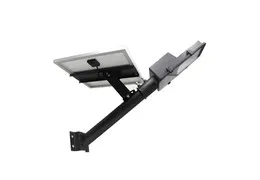
Solar LED streetlights: total autonomy without mains power for paths, housing developments and industrial estates
Read more
LED lighting for supermarkets and large retail spaces: a zone-by-zone guide with CRI, colour temperature and the best luminaire
Read more
LED lighting for supermarkets and large retail spaces is decided zone by zone: gondolas, fresh food, freezers,...
Linear LED luminaires: Nápoles DALI battens and Artistic Osram for supermarkets, offices and logistics
Read more
A continuous DALI linear LED luminaire gives light with no joins in supermarkets, offices and warehouses. Compare the...
Single-phase vs three-phase LED track: key differences, maximum load and when to use each system
Read more
The differences between single-phase and three-phase LED track lie in the number of circuits, the load each one...
Three-phase track spotlights for shops and art galleries: Uppsala CRI 98 and Graz 3CCT for maximum visual impact
Read more
Learn how to choose a three-phase track spotlight for a shop or art gallery with the Uppsala CRI 98 and the Graz...
Popular posts
60x60 LED panels: everything you need to know before buying
Discover how to choose the ideal 60x60 LED panel for your project. We compare drivers, wattages, installation types...
Read more

LED colour temperature: how to choose between 2700K, 4000K and 6500K for your space
Warm, neutral or cool light: each LED colour temperature has its ideal space. We explain the differences between...
Read more
LED strips 220V AC: how to install them without a transformer and get the most out of them
220V AC LED strips plug straight into the mains without needing a transformer. In this guide we explain what models...
Read more
LED public lighting: current regulations, technical requirements and key points for compliance
Guide to Spain's LED public lighting regulations: technical requirements, road classes, parameters and mandatory...
Read more
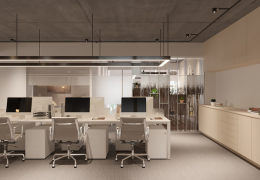
A practical guide to choosing the perfect LED lighting for your office
Find out how to choose the perfect LED lighting for your office: it complies with the EN 12464 standard, boosts your...
Read more
Leave a comment